Iceland in the Fall- Everything You Need To Know!
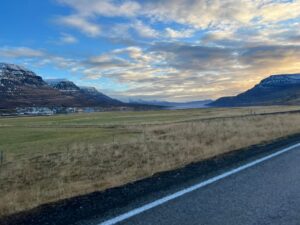
Fall in Iceland is one of the most magical times to visit. The crowds thin after summer, prices drop, and the landscape glows in shades of gold, rust, and mossy green. Crisp air, cozy hot springs, and the return of the Northern Lights make it feel like a dream destination, without the shoulder-to-shoulder crowds of July and August.
I spent eight days driving the Ring Road in late October, and it was the perfect mix of adventure and relaxation. The roads were still clear, waterfalls were roaring, and most attractions were open.
If you’re planning a trip to Iceland in the fall, here’s what to know, what to pack, and what to see.
Iceland Travel Planning at a Glance
Short on time? Here’s a quick mini guide to Iceland to help plan your trip!
Where to Stay:
- Hotel Fron-Reykjavik
- Canopy by Hilton-Reykjavik (Use Points!)
- Hotel Natur-Akureyri
- Sel-Hotel-Myvatn
- Hotel Eyvindará-Egilsstadir
Where to Eat/Drink:
Things to Do:
- Visit a geothermal bath like Sky Lagoon or Forest Lagoon
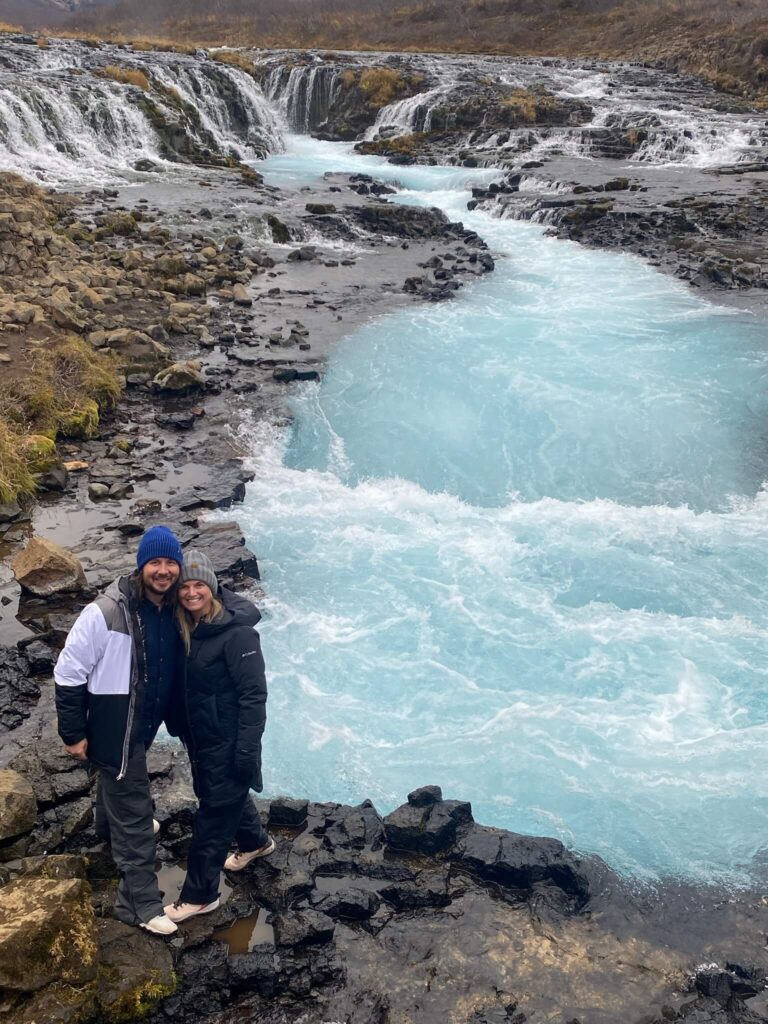
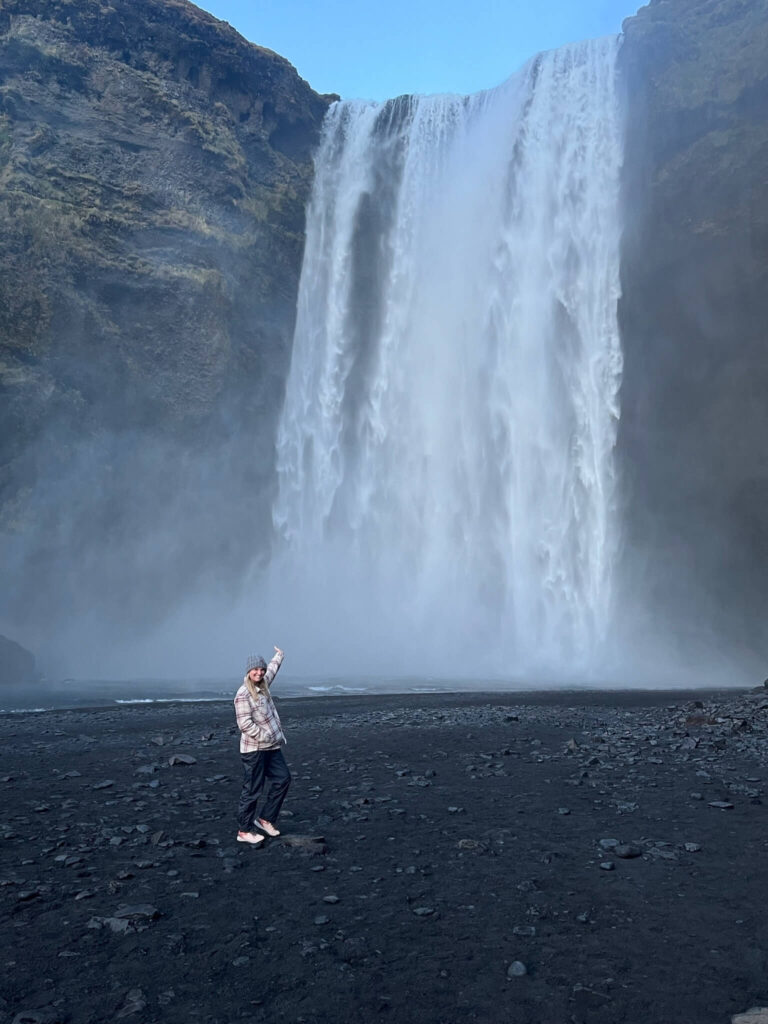
- Find waterfalls like Skogafoss, Godafoss, and Brúarfoss
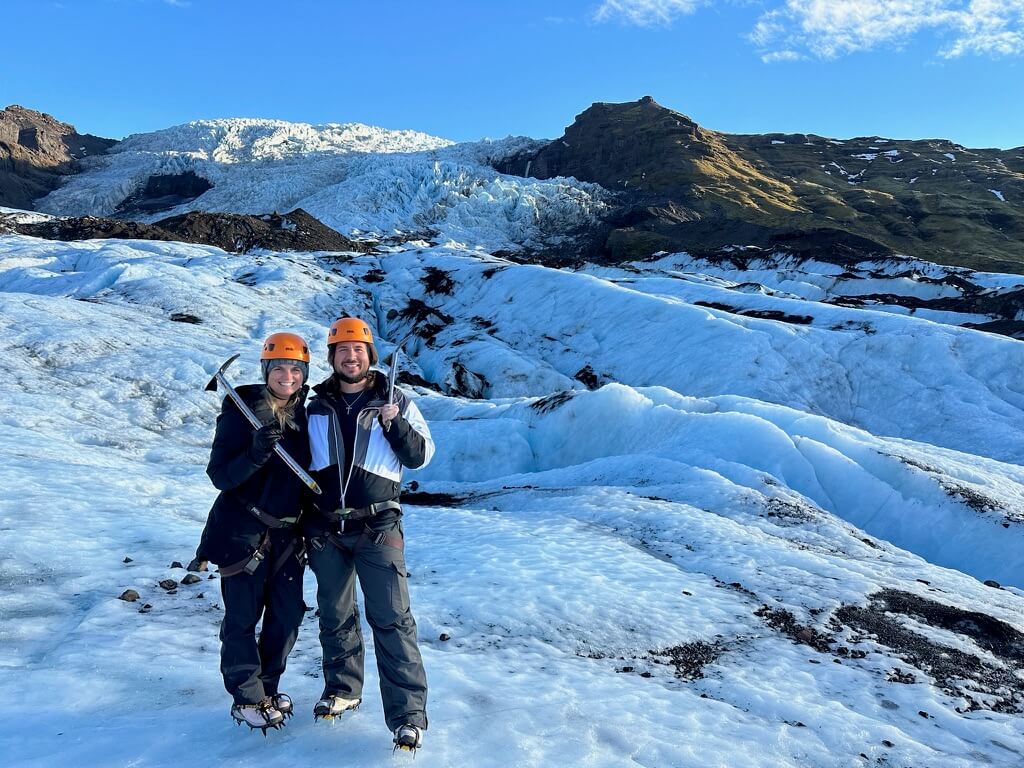
- Go on a Glacier Hike
- Chase the Northern Lights
- Lava Tunnel Tour
Table of Contents
Fall Weather in Iceland
In Iceland, the fall season presents varied and unpredictable weather patterns. But with the right layers and preparedness, you will be ready for whatever nature throws your way!
Average Temperatures
Iceland in the fall brings dramatic seasonal shifts. September still feels mild with crisp air and long days, while November starts to see frost and shorter daylight hours. The temperatures can swing quickly, especially in coastal areas, so layering is key.
We visited at the end of October, and we saw at least 3 seasons of weather. We had sunny, pleasant temperatures turn into sleet and snow. It’s all part of the experience, and if you plan ahead, you can make sure it doesn’t impede your plans.
Here’s a quick look at the average highs, lows, and daylight hours you can expect during the fall months.
What to Pack for Fall in Iceland
Packing smart makes all the difference. Iceland’s weather changes by the hour, so layers are key. I found packing for this trip more challenging than any other trip.
Here are a few essentials I would not leave home without:
Clothing essentials:
- Waterproof shell jacket and pants.
- Warm mid-layers (fleece or down)
- Thermal base layers (top and bottom)
- Wool socks and moisture-wicking tops
- Sturdy, waterproof hiking boots, I loved these Columbia boots!
- Hat and gloves(waterproof)
- Lightweight backpack for day trips
- Swimsuit for hot springs and lagoons
Extras worth bringing:
- Power bank for phones and pocket wifi
- Reusable water bottle–you can fill them at the waterfalls!
- Headlamp/Flashlight for shorter daylight hours
- Sunglasses (the sun is still strong when it’s out)
- Small towel and flip-flops for hot spring stops
Best Things to Do in Iceland in The Fall
Iceland Waterfalls
Fall is one of the best times to visit Iceland’s waterfalls. The summer crowds are gone, but the water flow is still strong from recent rain and glacier melt.
Gullfoss, Godafoss, and Skógafoss are some of the biggest waterfalls in Iceland, and all are stunning this time of year and easy to get to. This was my favorite part of Iceland! Even just driving down the highway, you will see so many waterfalls you weren’t looking for.
 Godafoss
 Seljalandsfoss
- Kolugljufur
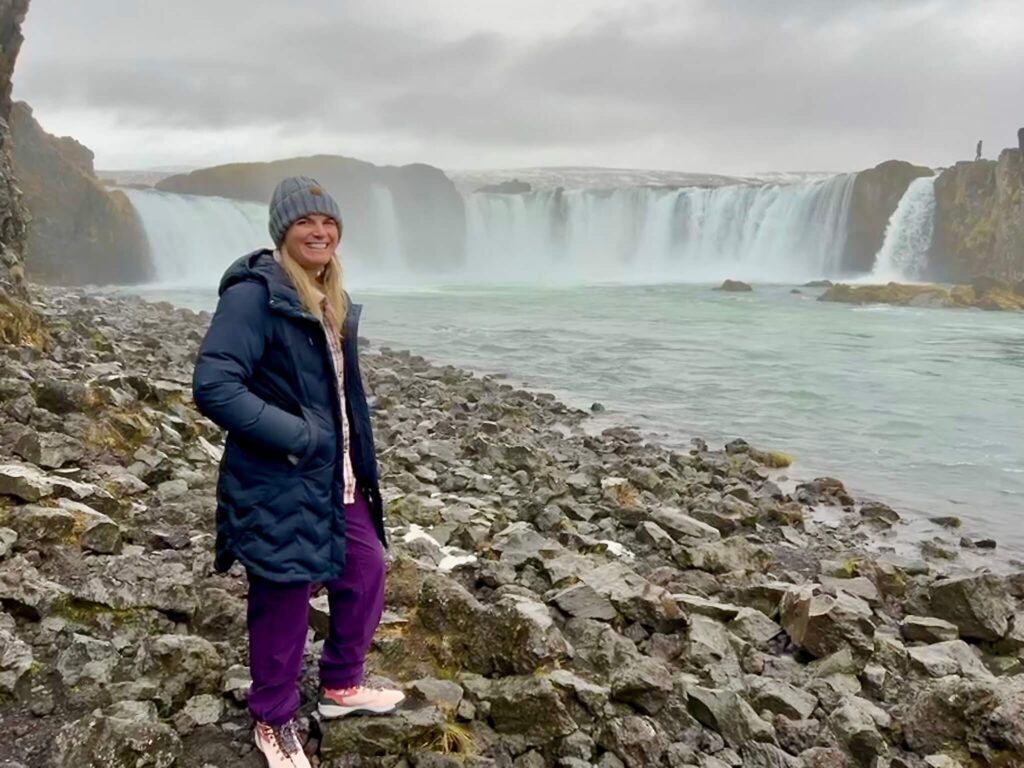
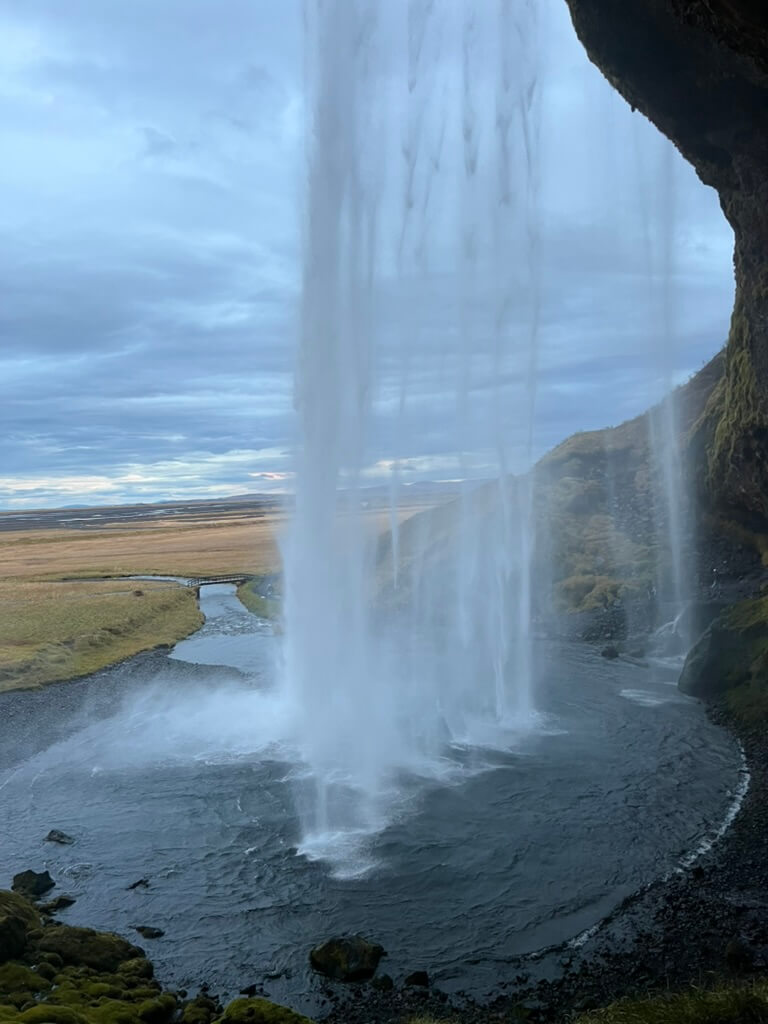
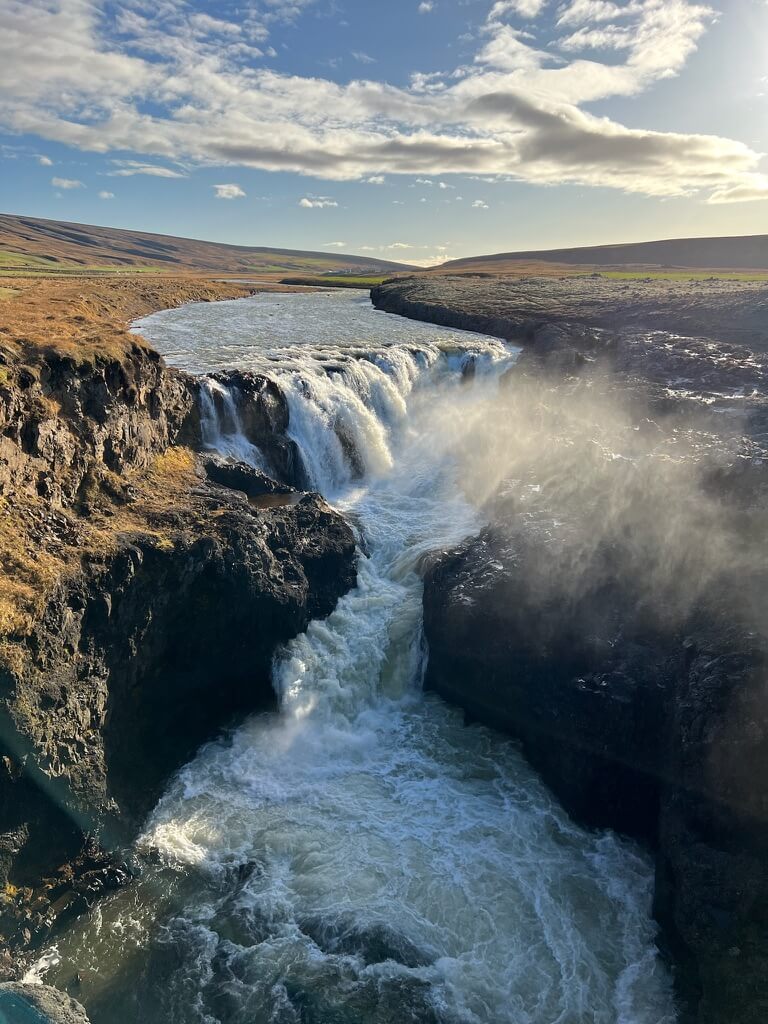
Check out my 8 Day Iceland Itinerary to see all the waterfalls we went to!
Visit Hot Springs
There’s nothing better than soaking in a hot spring after a long hike when the air turns crisp. Iceland’s geothermal pools stay warm year-round, and its the perfect way to relax!
 Sky Lagoon
- Blue Lagoon
- Vok Baths

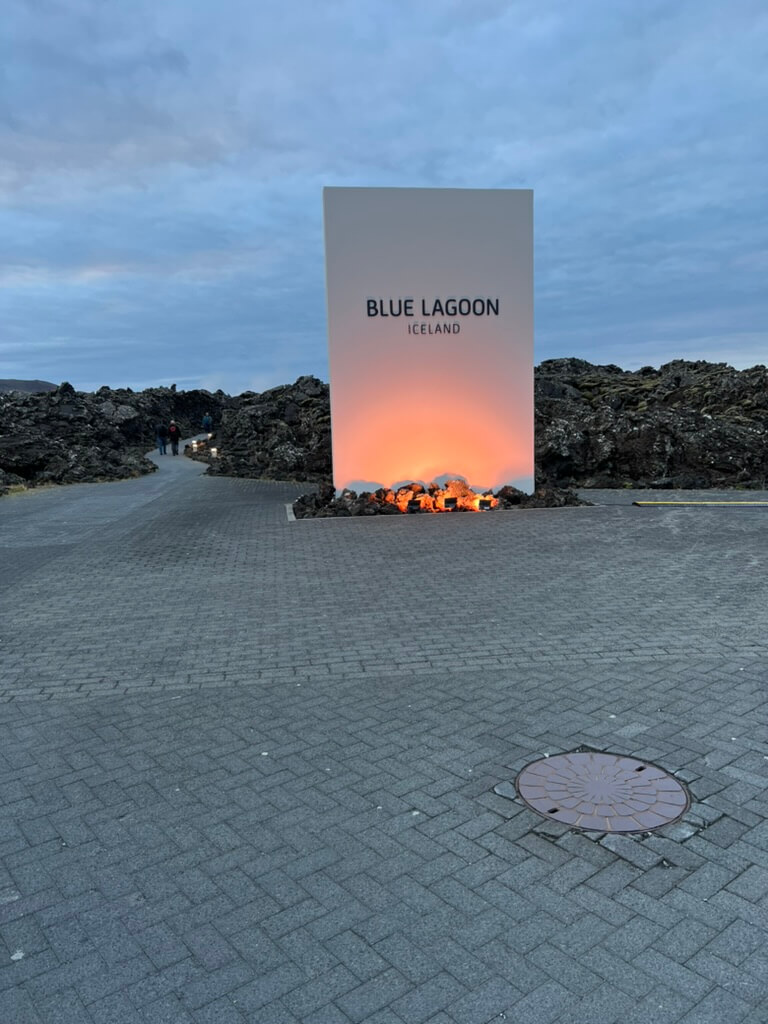
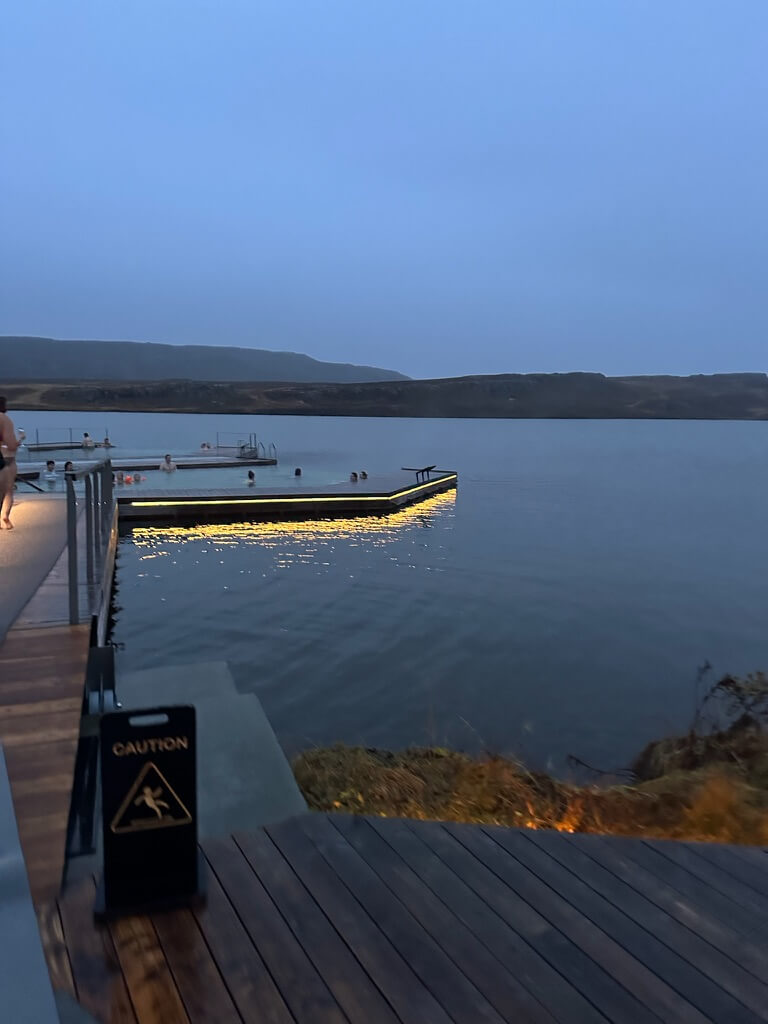
The Blue Lagoon and Sky Lagoon near Reykjavik are the most popular choices, but there are plenty other options, too! Head to Reykjadalur Valley, also called “Steam Valley,” where you can hike through the hills and bathe in a naturally heated river surrounded by fall foliage. We also visited Forest Lagoon in Akureyi and Vok Baths in Egilsstadir.
At the end of the day, after hiking in the cold, there was nothing better than sitting in a hot spring to relax your muscles and recover. I would highly recommend you visit a couple of these if you can!
Glacier Hike and/or Ice Cave Tour
By late October, the ice caves and glaciers start to form for the winter season. We did a glacier hike with a small group, and it was an unforgettable experience and a safe way to explore Iceland’s icy landscapes. They provided us with crampons, sticks, and helmets. Make sure your tour provides this!
You have to do this with an organized tour because it’s not safe to do this by yourself. The ice is constantly melting and changing, so you have to go with an experienced guide who knows the current conditions of the ice.
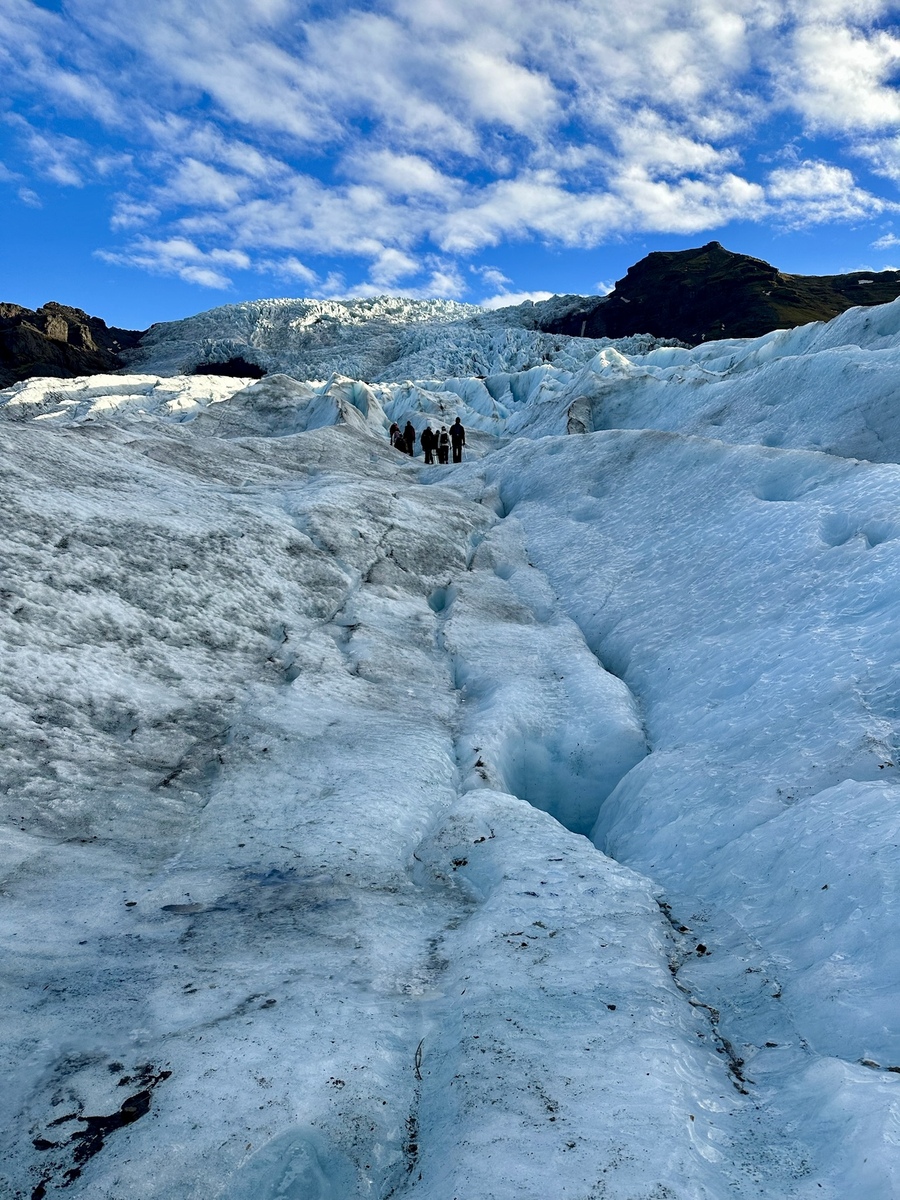
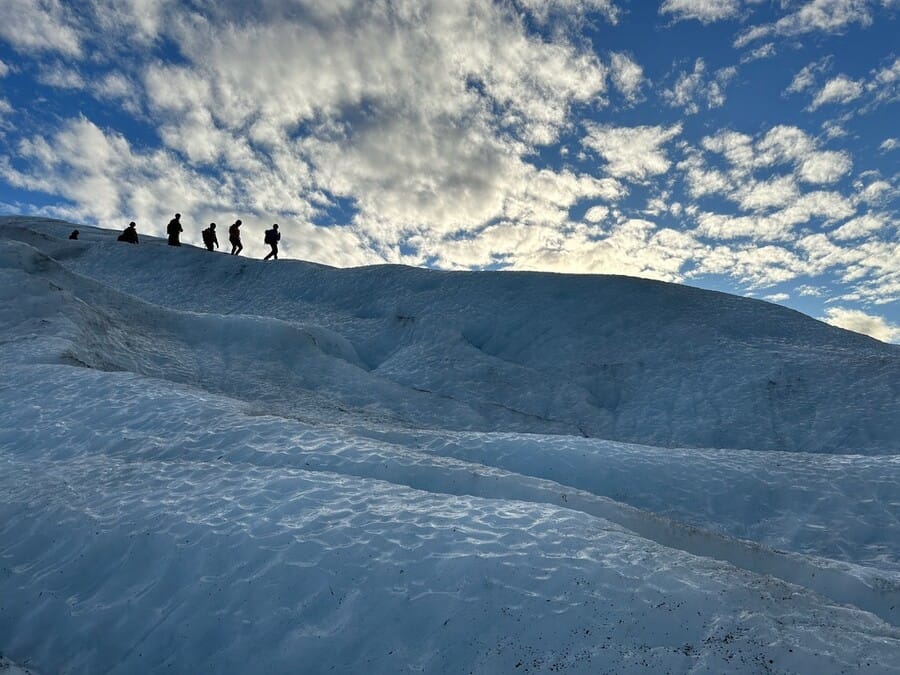
Get Your Guide has lots of tour options for this, depending on the group size and level of difficulty. The tours usually include all the gear you need, except make sure you have a nice pair of hiking boots that go around the ankle, and of course, dress warm!
The Vatnajökull Glacier in southeast Iceland is the most popular spot, offering deep blue ice tunnels and sweeping mountain views. Be sure to book in advance, these tours are weather-dependent and fill up fast as the season shifts.
Explore a Lava Tunnel
Iceland’s volcanic terrain is fascinating, and a lava tunnel tour lets you see the island from a whole new perspective. The Raufarhólshellir Lava Tunnel, just 30 minutes from Reykjavik, offers guided tours through ancient lava tubes left behind by volcanic eruptions over 5,000 years ago.
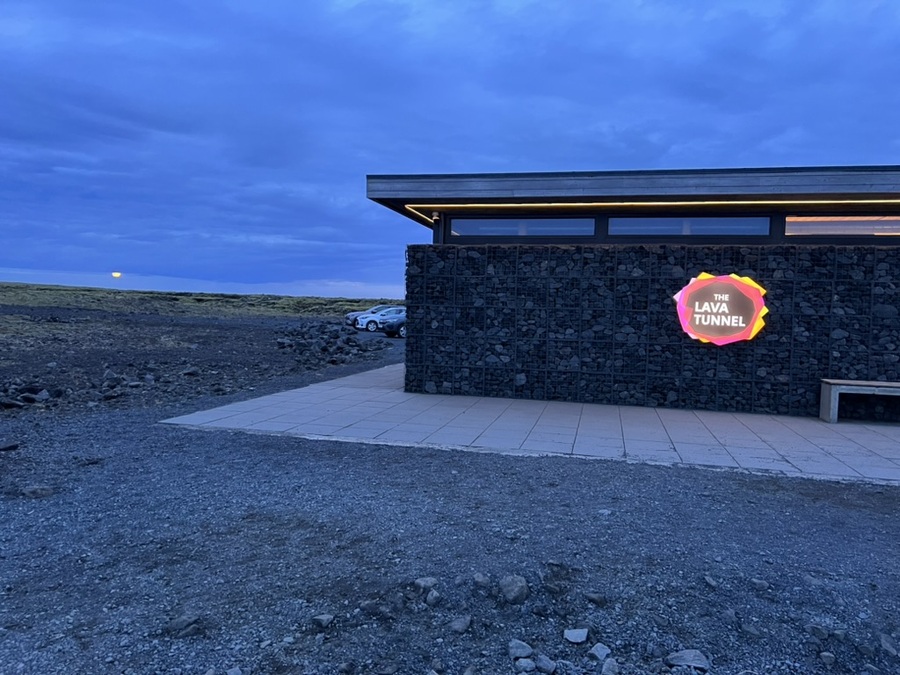
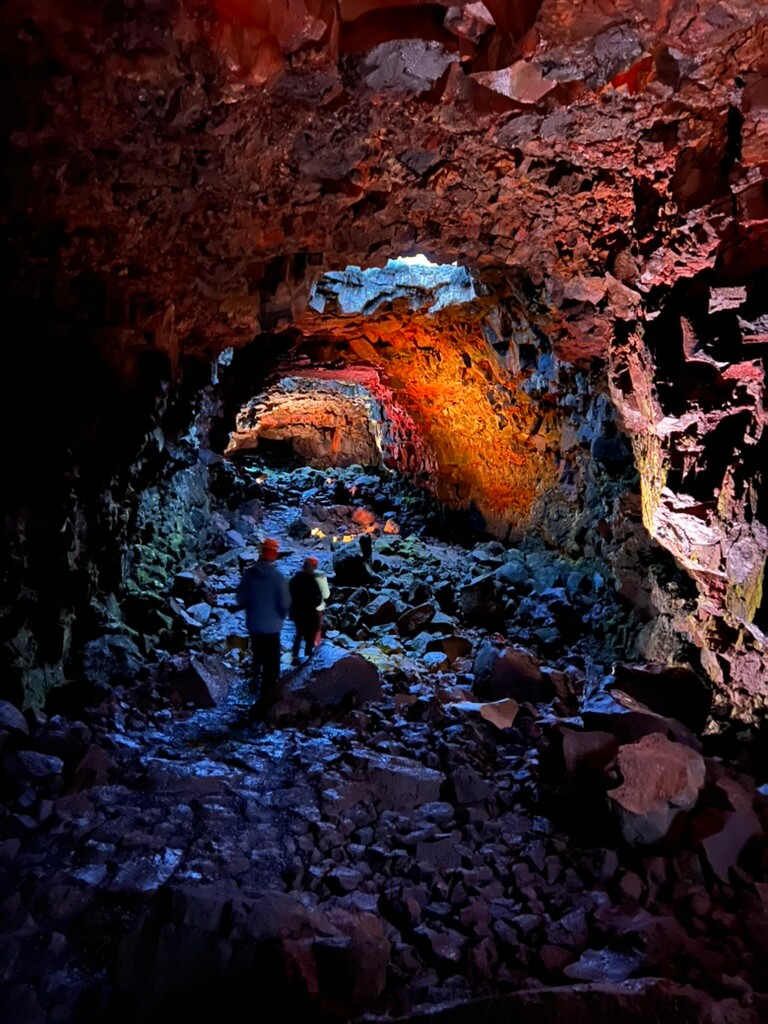
Inside, you’ll see layers of color and rock formations left behind from volcanoes. This was a very informative tour, and the guide did a great job going over all the history and facts. Admission includes essential safety gear, such as helmets and lights.
Explore Reykjavik on a Food Walk
One of my favorite experiences we did in Reykjavik was the Food Walk. Reykjavik is compact and walkable, making it perfect for exploring on foot. This is led by a local guide who introduces you to Icelandic favorites like lamb stew, hot dogs, rye bread ice cream, and fermented shark (if you’re brave enough to try it).
- Hot Dog Stand
- Lamb Stew
- Baked Fish
- Rainbow Street
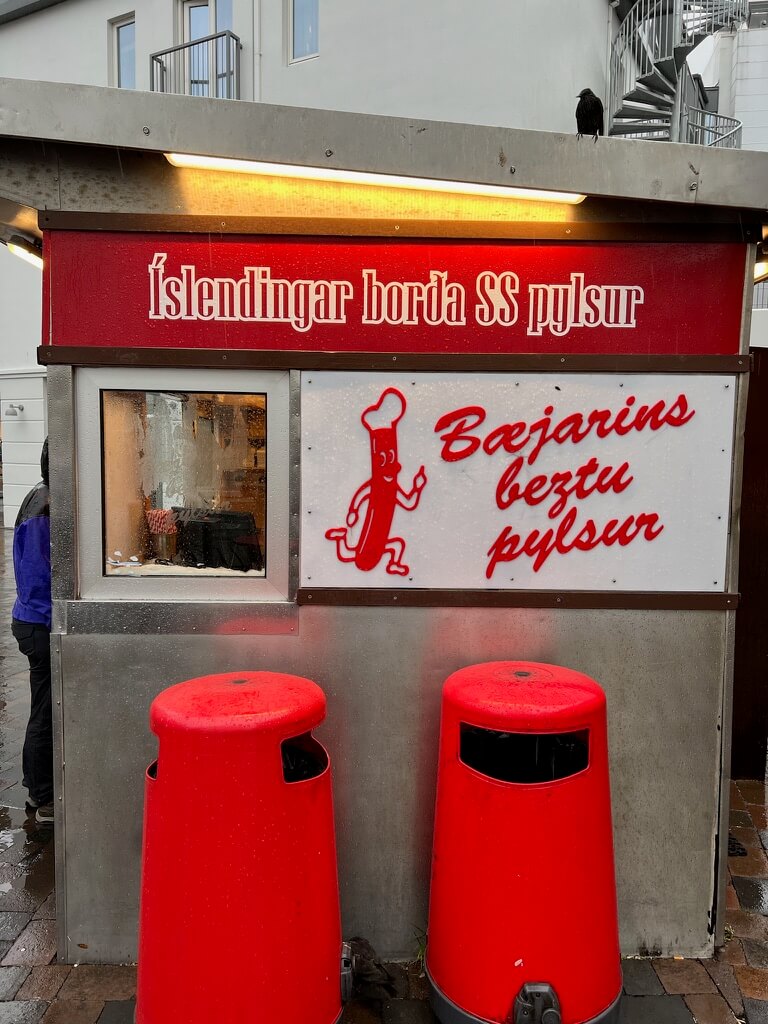
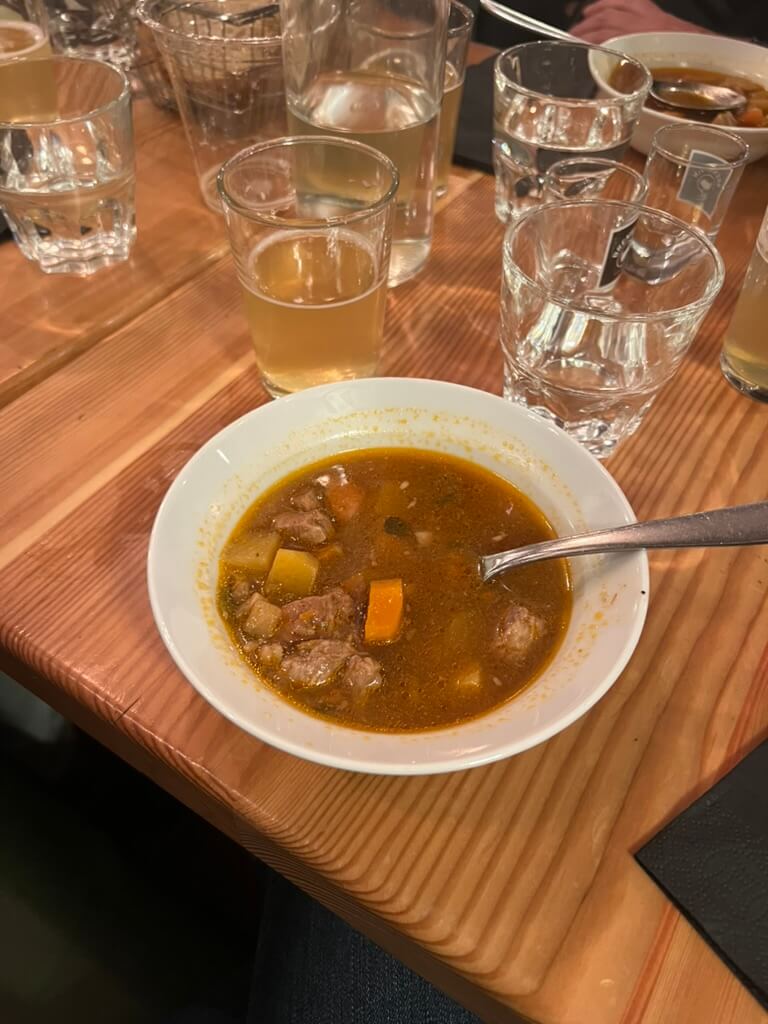

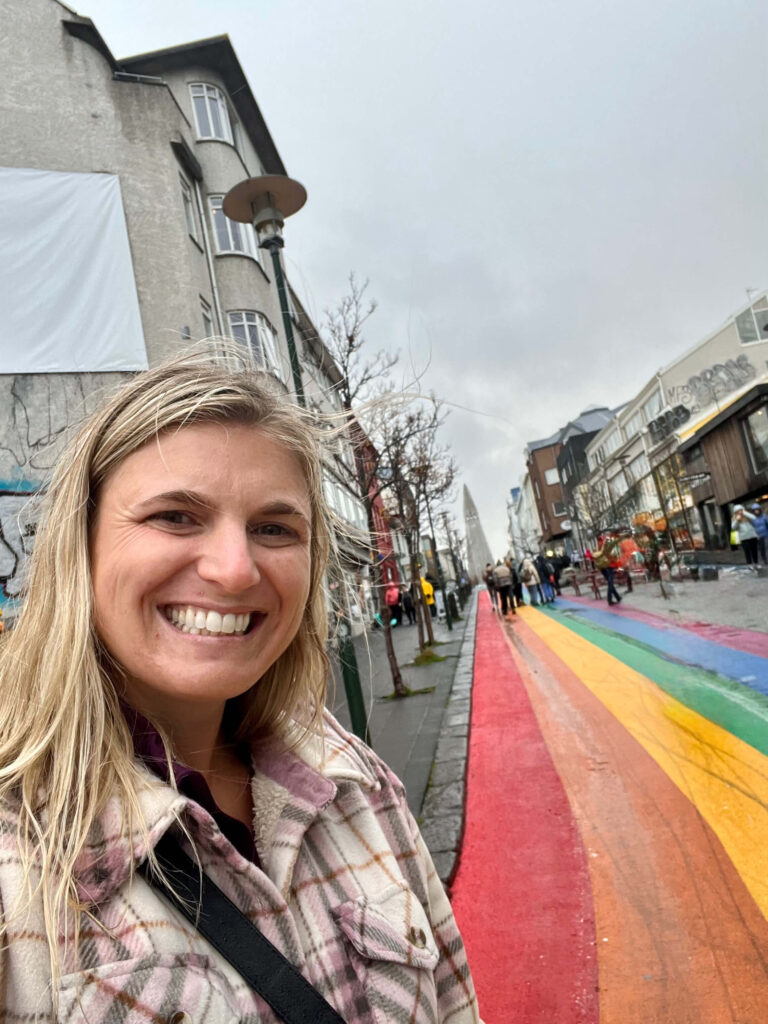
Between bites, you’ll learn about the city’s history, colorful street art, and culture. You will walk past Hallgrimskirkja, the largest church in the country, and the famous Rainbow Street!
I would highly recommend this food tour to anybody visiting Reykjavik! It is a great introduction to the city and also a great way to meet some fellow travelers!
Visit a Tomato Greenhouse
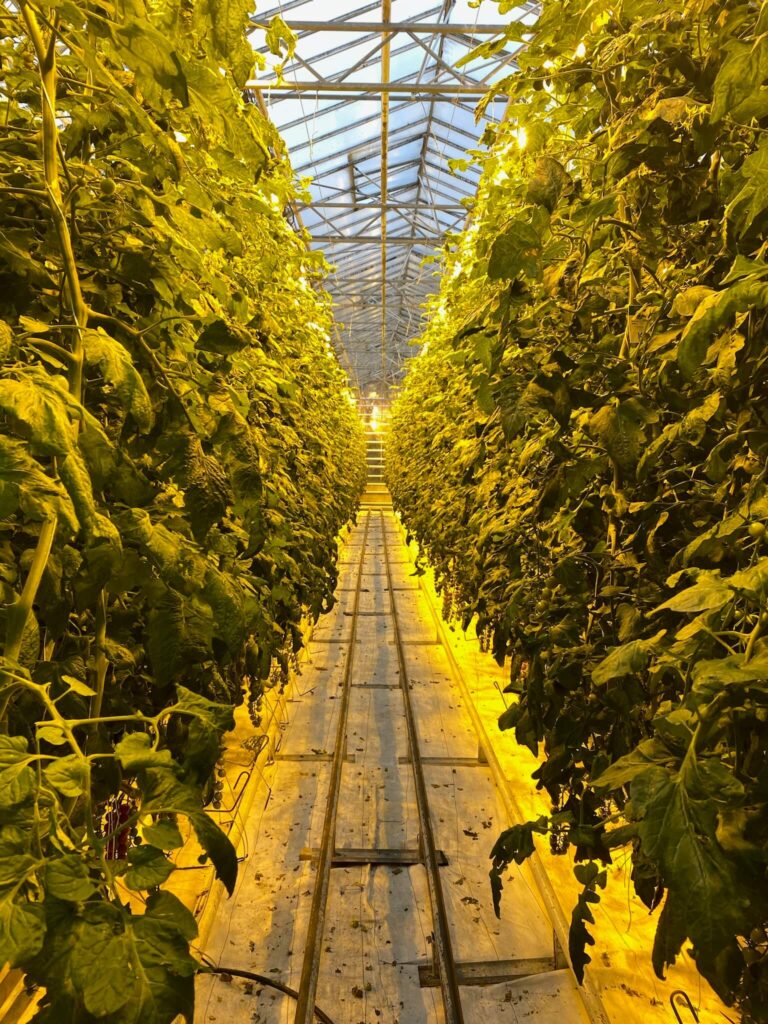
I know this sounds strange, but hear me out! A surprisingly unique stop in Iceland is Friðheimar, a working tomato greenhouse located near the Golden Circle. Thousands of tomatoes grow year-round here under artificial light powered by geothermal energy.
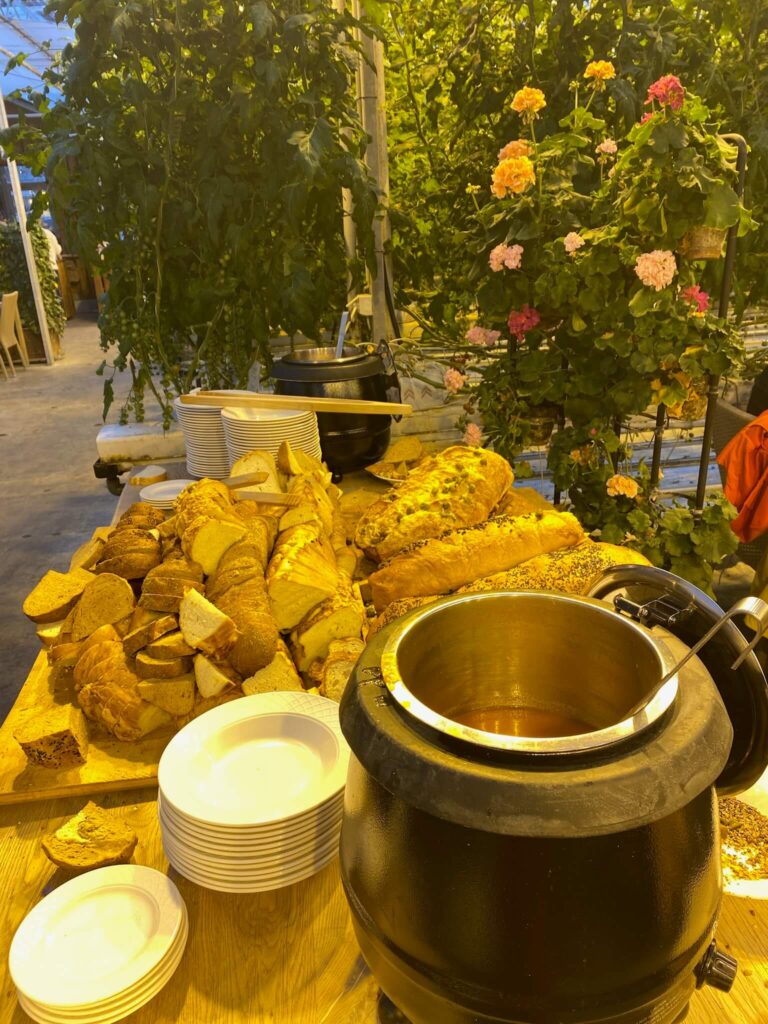
You can dine inside the greenhouse, and their menu has all tomato inspired dishes served with fresh bread and basil plants growing at your table! The tomato soup is bottomless and it’s the best comfort food to warm you up! It’s one of the most memorable meals we had in Iceland. If you want to stop here for lunch, seating is very limited. I would highly recommend making a reservation in advance.
See the Northern Lights
Fall marks the start of the Northern Lights season in Iceland. The aurora returns once nights grow dark enough, typically late August through April.
Here’s how to boost your chances of seeing them:
- Stay in rural areas. Light pollution makes a big difference. The south coast, Snaefellsnes Peninsula, and northern regions are great options.
- Check the aurora forecast. The Icelandic Met Office posts daily activity levels and cloud cover. You can also download the Aurora app to get notifications when there is a high chance in your location.
- Be flexible. Clear skies are key, even if the aurora strength is high.
- Dress warmly. Standing outside for long periods can get cold.
- Go on a tour! There are several great tour options, and a lot of them will offer guaranteed sightings or a rebooking opportunity.
Tip: Many countryside hotels offer Northern Lights wake-up calls so you don’t have to stay up all night!
Safety Tips for Fall Travel
Iceland is one of the safest countries in the world, but the landscape can be dangerous. Weather, wind, and ocean conditions can change in an instant.
Keep these tips in mind:
- Check weather daily at Vedur.is before heading out.
- Avoid dangerous cliffs or wave areas (especially at Reynisfjara/Black Sand Beach).
- Stay behind barriers near waterfalls, wet rocks are slippery.
- Drive slowly in wind or rain. Gusts can move your car, especially on bridges and ridges.
- Don’t underestimate distance. Even short drives take longer in poor weather.
- Bring snacks and water. Some rural areas will not have stores for miles.
- Respect nature. Never step on moss or drive off-road, it can take decades to recover.
If you use an eSIM like Airalo, you’ll have reliable data across Iceland for maps and emergency updates without relying on spotty rural Wi-Fi. It’s inexpensive, easy to install, and saves you from buying a physical SIM card at the airport.
We also received a pocket Wifi device from Hertz when we rented our car. This worked great when using Google Maps in the car, so we didn’t drain our data plan. I recommend getting one if you are renting a car.
Renting a Car in Fall
Driving is the best way to explore Iceland, especially in the fall when crowds are light and road conditions are still good.
We used Hertz at Keflavik International Airport to rent our vehicle. They offer reliable vehicles suited for Iceland’s varied terrain, from paved highways to gravel roads. Be sure to book in advance, especially during peak seasons, and consider a 4×4 if you plan to venture off the Ring Road. Rentalcars.com usually has the best prices, and their customer service is available 24/7!
Check for insurance coverage and make sure you are protected, as Iceland’s weather can be unpredictable. You can get my favorite credit card that will cover this, and there are also no foreign transaction fees!
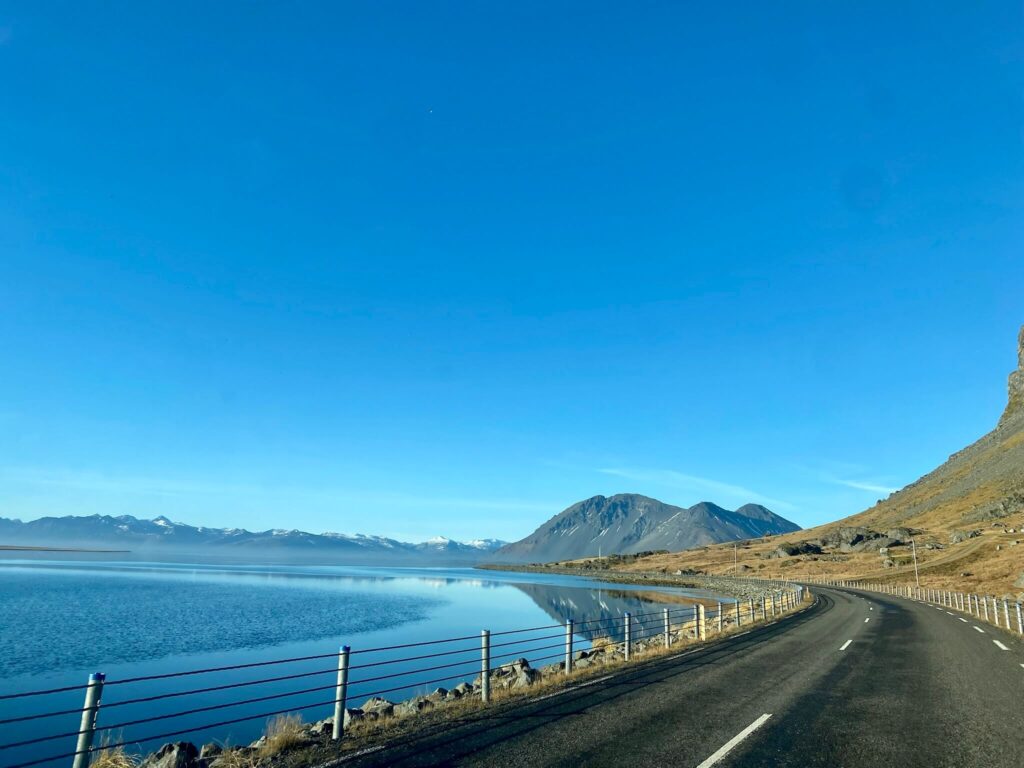
Fall roads are generally clear, but early snow or icy patches can appear in higher elevations by late October.
- South Coast
- Northeast

FAQ’s about Iceland in the Fall
Are attractions open year-round?
Most major sites, like the Golden Circle and South Coast, stay open all year. North and East Iceland will be more difficult to access as winter sets in. We drove the entire ring road at the end of October. F Roads, unpaved mountain roads, are usually the first to close.
Can you drive the Ring Road in the fall?
Yes! We drove the whole loop at the end of October. Check out my 8-day Itinerary to see details on how to do this.
Is Iceland crowded in the fall?
Fall is considered the shoulder season, which means fewer tour buses, lower hotel prices, and quieter attractions. You’ll see the most travelers and tour buses along the South Coast and Golden Circle, but it’s a much more relaxed experience than in summer.
Can you see puffins in Iceland in the fall?
Not usually. Puffins leave Iceland by late August to spend the winter at sea. If wildlife watching interests you, look for seals, reindeer, and goats instead, they’re easier to spot in the quieter fall months.
Do I need cash in Iceland?
No, Iceland is almost completely cashless. Credit cards are accepted everywhere, even for parking meters or restrooms. We didn’t use any cash during our visit.
Are Northern Lights guaranteed in the fall?
No, the Northern Lights are a natural phenomenon and depend on solar activity and clear skies. We didn’t see them until our last night! Try to stay outside cities and use the Aurora app to increase your chances.
How long should I spend in Iceland in the fall?
A week is perfect for a first visit. It gives you enough time to see Reykjavik, drive the Golden Circle, and explore the South Coast. If you want to drive the ring road, I recommend at least 8 days. If you love slower travel, ten days allows for extra stops and more time at attractions.
Final Thoughts
Visiting Iceland in the fall gives you a little bit of everything, cozy nights, vivid landscapes, affordable prices, and real adventure. You’ll chase waterfalls, soak in hot springs, and maybe even see the Northern Lights dance across the sky.
The mix of crisp air and quiet roads makes it one of the best times of year to explore. Pack smart, keep your plans flexible, and embrace the weather changes, they’re part of what makes Iceland so captivating.
If you’re ready to start planning, head over to my 8-Day Iceland Itinerary for a detailed route around the Ring Road and hotel picks to help you plan the perfect fall trip across this incredible country.