The PERFECT 4 Day Tokyo Itinerary
Tokyo is one of the most exciting cities in the world! With its mix of modern skyscrapers, ancient temples, incredible food, and non-stop energy, Tokyo offers something for every type of traveler. This 4 day Tokyo itinerary is designed to give you the best of iconic neighborhoods and cultural landmarks to shopping streets, and must-try eats.
Whether it’s your first time in Japan or you’re returning to explore deeper, this guide will help you maximize your time and experience the highlights of this electric city.
Quick Mini Guide to Tokyo
Short on time? Here is a quick mini guide to help plan your trip to Tokyo!
Where to Stay:
- Omo3 Akasaka (budget)
- Hyatt House Tokyo Shibuya (best points option, great location)
- Hyatt Regency Tokyo (only 20k points/night)
When to Visit:
- Autumn (Sept-Nov) is the best for fall foliage
- March is Cherry Blossom Season and high-peak time
- Spring (Apr-May) is most comfortable weather, maybe a few rain showers
Things to Do:
- teamLab Planets
- Shibuya Sky (only $19!)
- Tsukiji Fish Market
- Shinjuku Food Tour (top rated!)
- Hakone Free Pass
Table of Contents
Getting to Tokyo
Most international flights land at either Narita (NRT) or Haneda (HND). I recommend flying into Haneda if possible. It’s much closer to central Tokyo and will save you time and money on transfers. From Haneda, the Tokyo Monorail or a direct airport limousine bus can get you into the city quickly.
If you land at Narita, the Narita Express (N’EX) is the fastest and easiest way to reach central Tokyo. Both airports are well connected, but it’s worth allotting an hour or more if you’re coming in from Narita.
Pro Tip: Make sure to keep your ticket from the Narita Express because you will have to scan it after you get off and transfer to the metro.
We flew into Narita (NRT) and booked our transfer in advance on Klook. Once we arrived, we just had to take our confirmation QR code to a booth to receive our tickets. Seats were spacious and comfortable, and there was a lot of space for your luggage too!
How to Get Around Tokyo
Tokyo is much easier to get around in than you may expect before you get there. It is busy and crowded, but very well organized. Getting around Tokyo is fast, easy, and efficient once you understand the basics.
Suica/Pasmo/Icoca Transit Cards
Suica is most popular because you can use it all over Japan. You can also use these cards at convenience stores and vending machines.
These cards work on nearly all trains, subways, and buses in Tokyo. They will not work on a limited express train or Shinkansen (bullet train)
The easiest way to use the card is to add it to your phone wallet. If you are traveling with kids or someone without a phone, you can buy one at any JR station or airport kiosk.
Pro Tip: Add your travel credit card to your Express Transit Card in your Apple Wallet settings so you don’t have to open it every time. I highly recommend this card because it earns 2x on travel purchases and no foreign transaction fees!
Metro Station Tips
Tokyo has multiple transit companies: JR East, Tokyo Metro, and Toei Subway. They require separate entrances even within the same station. That’s why having a transit card is so useful; it works on all of them!
Google Maps will be your best friend and is essential for navigating the train system. Some Tokyo stations have 20+ exits, and taking the wrong one could leave you blocks from where you need to be. Google Maps will tell you which train car and exit to use based on your destination.
Make sure you purchase an eSim before your trip so you can stay connected!
Use the JR Yamanote Line to loop through major districts like Shibuya, Shinjuku, Ueno, and Tokyo Station. These will be more expensive than the subway lines, but also faster.
Where to Stay in Tokyo
Cash Stays
| Price | Hotel Name | Neighborhood | Highlights |
|---|---|---|---|
| $ | OMO3 Akasaka by Hoshino Resorts | Akasaka | Affordable boutique stay, near metro, quiet yet central |
| $$ | Shibuya Granbell Hotel | Shibuya | Trendy, central, walkable to Shibuya Crossing |
| $$$ | The Capitol Hotel Tokyu | Akasaka | Luxury, spacious rooms, direct metro access, upscale service |
Where to Stay with Points
| Points | Hotel Name | Program | Highlights |
|---|---|---|---|
| From 17K points/night | Hyatt Regency Tokyo Shinjuku | Hyatt | Modern, vibrant design, central location |
| From 17K points/night | Hyatt House Tokyo Shibuya | Hyatt | New in 2024, spacious rooms, ideal for longer stays |
| From 35K points/night | Andaz Tokyo Toranomon Hills | Hyatt | Ultimate luxury with panoramic city views, top-notch service |
Have Chase Ultimate Reward points? See How to Redeem them at Hyatt!
Day 1: Asakusa, Akihabara, and Tokyo Skytree
Morning: Senso-ji Temple & Nakamise Street
Start your Tokyo adventure in the historic Asakusa neighborhood. The earlier you can get here, the better! This area gets very crowded!
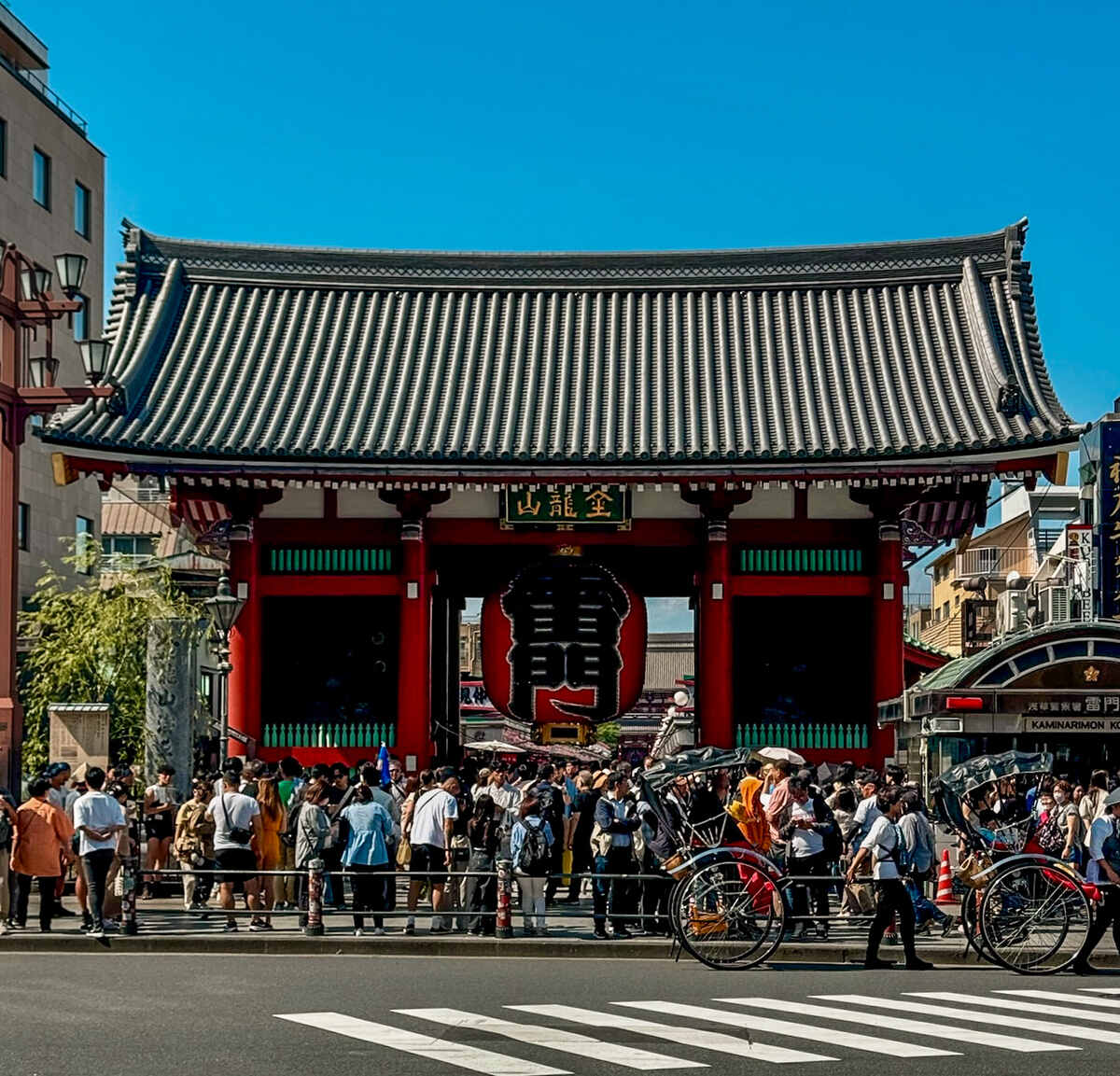
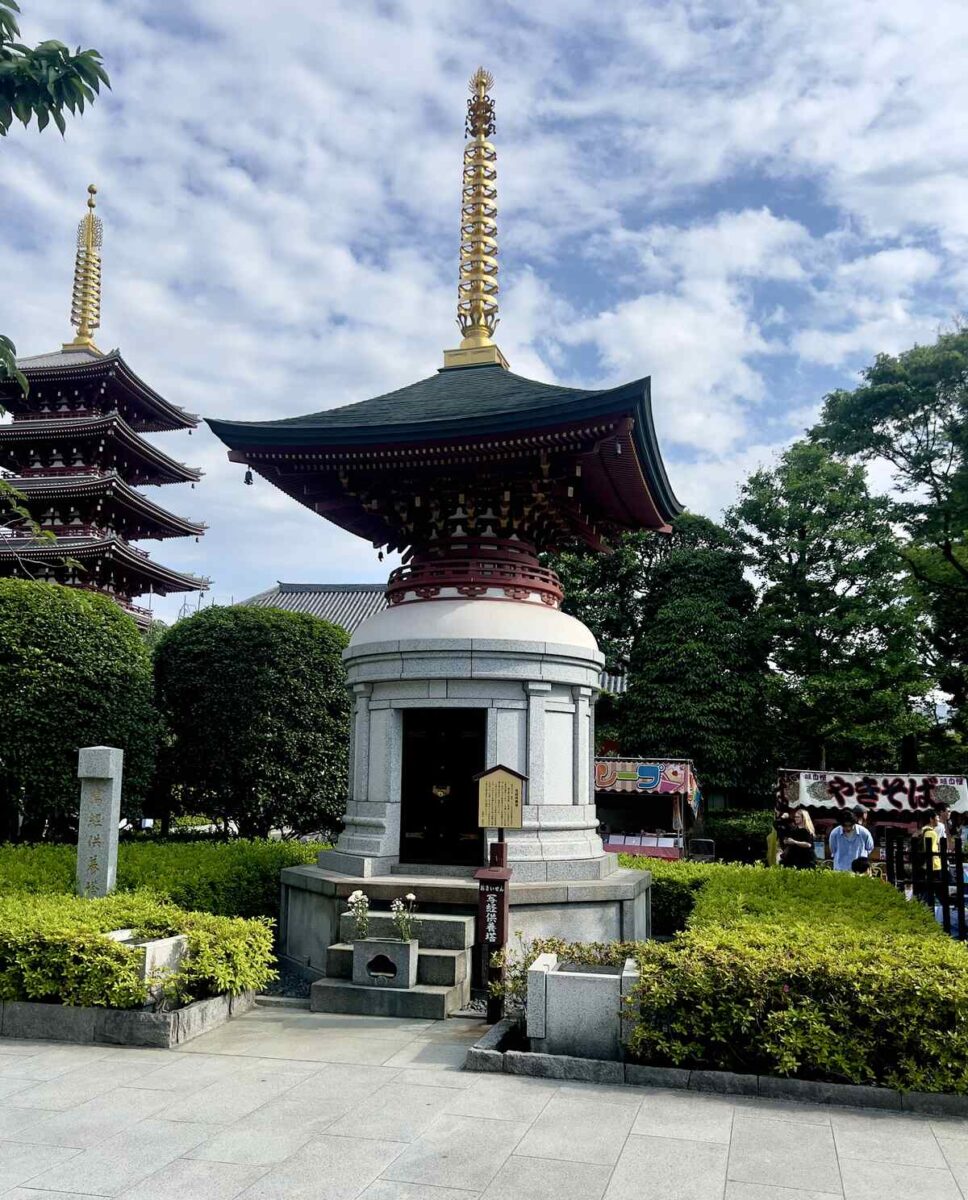
Visit Senso-ji, Tokyo’s oldest temple. Enter through the iconic Kaminarimon Gate and stroll along Nakamise Street for traditional snacks and souvenirs. This is also a popular place to rent a traditional kimono and take photos!
 Kaminarimon Gate
 Senso-ji
Midday: Tokyo Skytree
Head south to Tokyo Skytree, the tallest structure in Japan. You can go up to the observation deck and then shop and snack at Solamachi Mall below.
When purchasing tickets you will see two Tembo Deck options, a 350m and 450m. The 350m is a deck with 360 degree views of the city with glass panels to the floor. The 450m is the highest level and offers a unique skywalk perfect for photos. You can’t go wrong with either!
Afternoon: Akihabara Electric Town
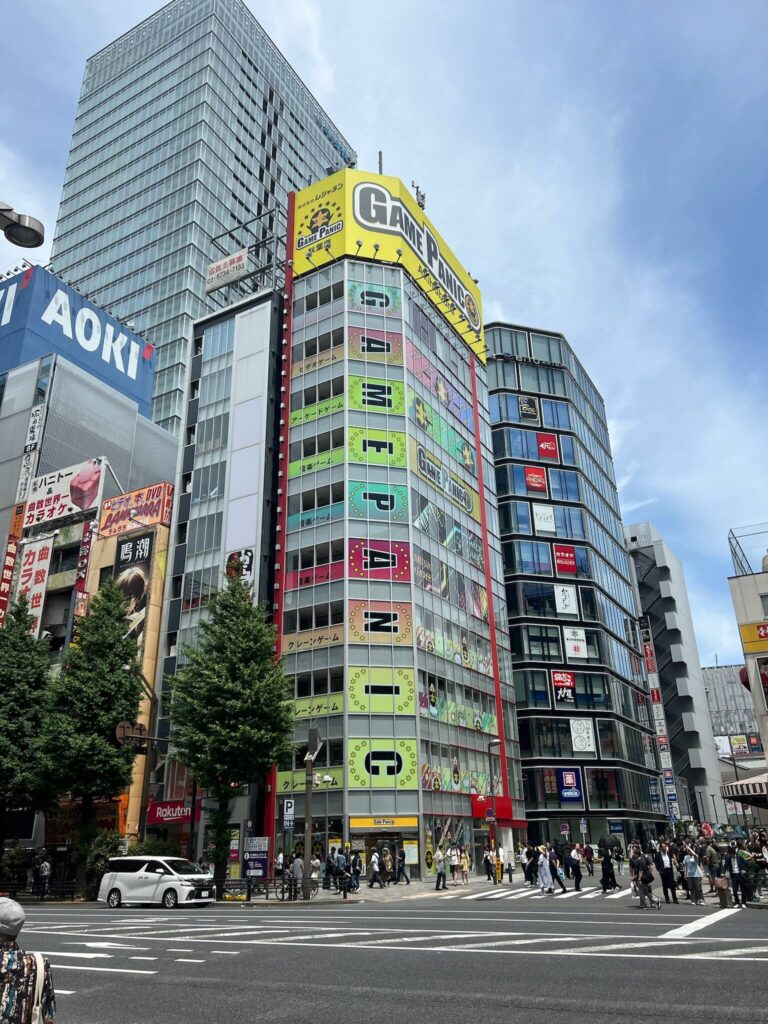
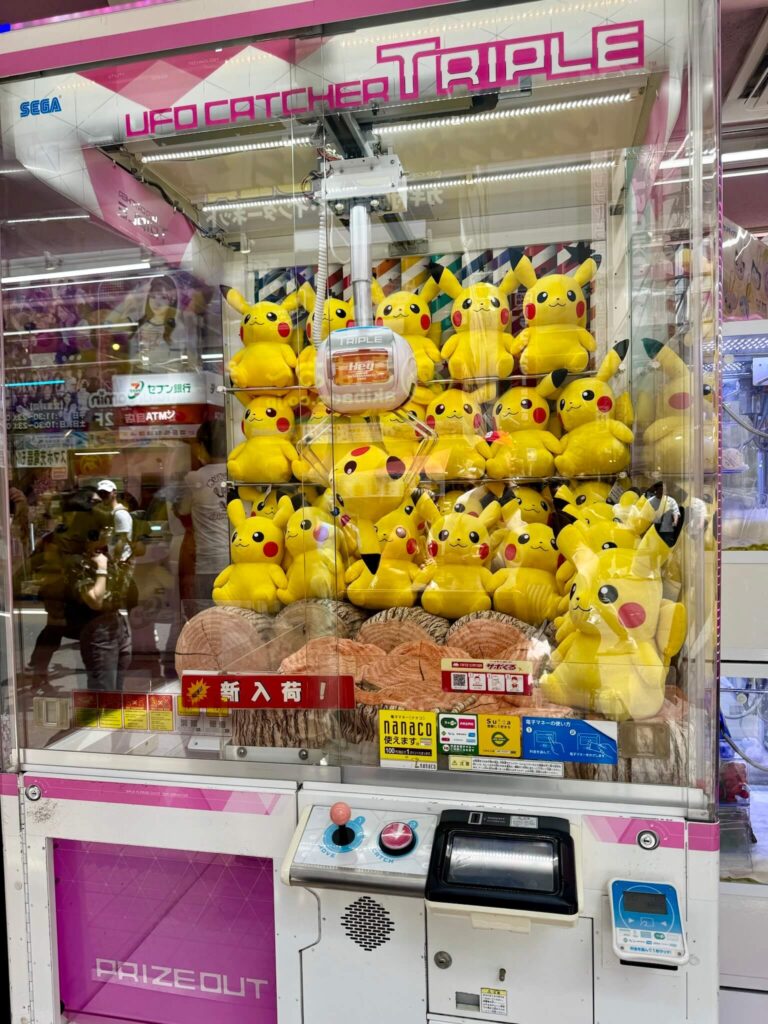
Explore anime culture, video games, and electronics in Akihabara. This area is full of arcades and the famous claw machines. We went into a building that had 5 floors of claw machines!
Dinner
Try tonkatsu at Marugo in Akihabara, or if you are staying near Shinjuku, try this top rated food tour!
Day 2: Shibuya, Harajuku, and Shinjuku
Morning: Shinjuku
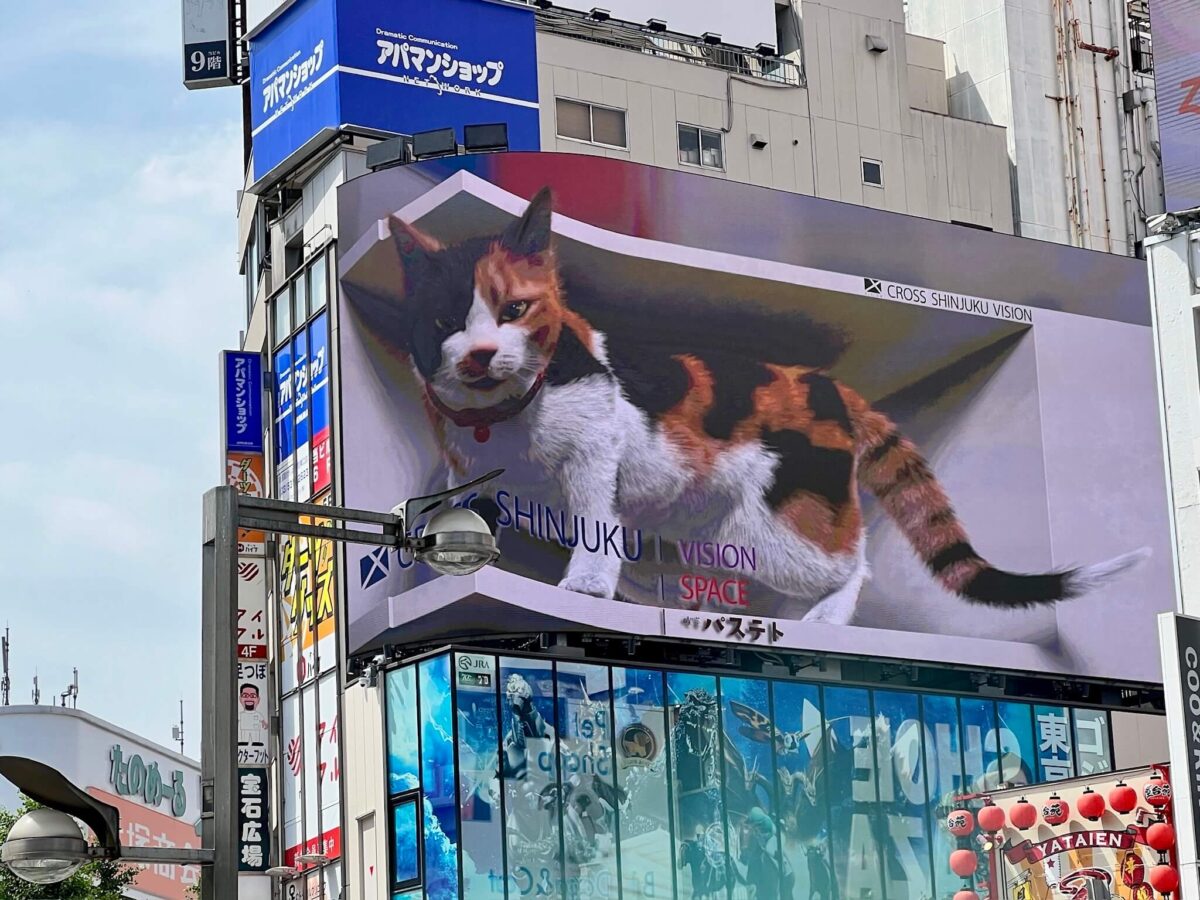
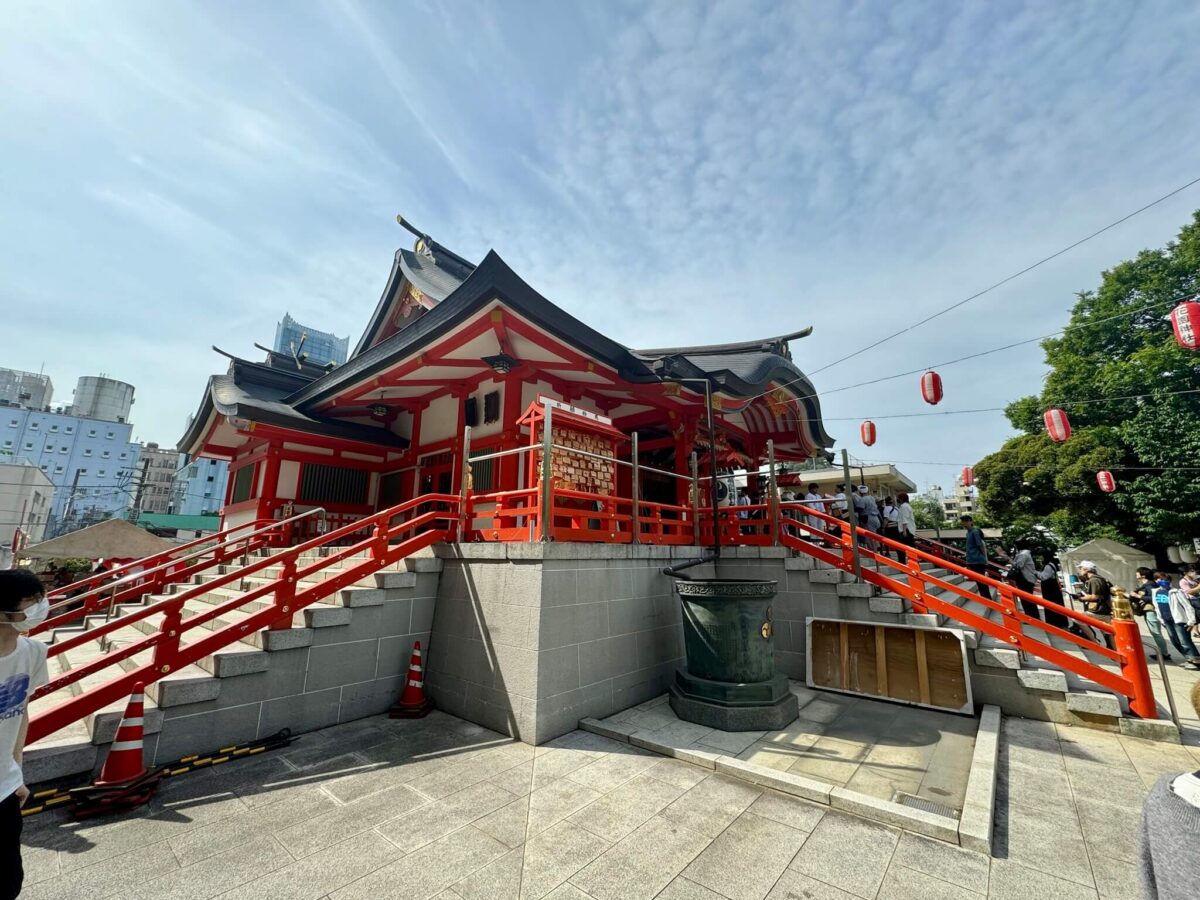
Start your day in Shinjuku, one of Tokyo’s most iconic neighborhoods. Head to Shinjuku Station and walk over to the Original Pancake House for breakfast to try the famous fluffy pancakes! Next, walk to see the giant 3D cat billboard. Hanazono Shinto Shrine is also close by.
 Shinjuku 3D Cat
- Hanazono Shinto Shrine
Midday: Harajuku & Meiji Jingu Shrine
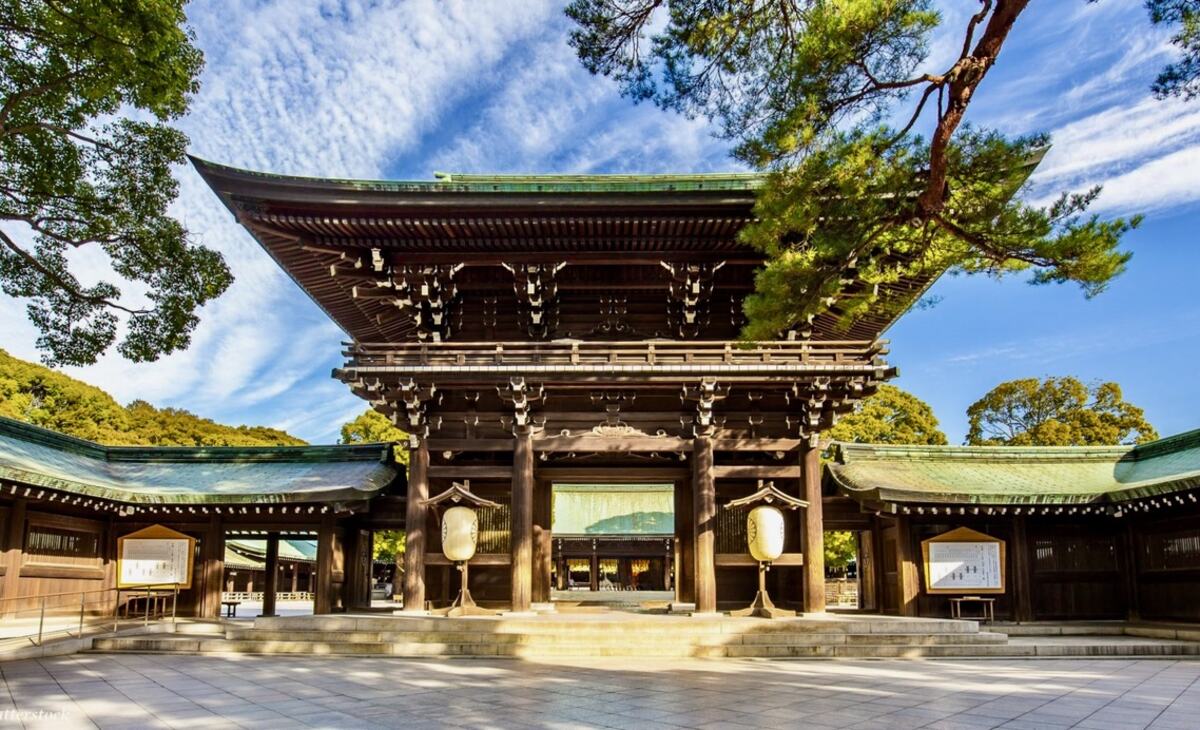
Walk or take the train to Harajuku. Stroll Takeshita Street for quirky shops and crepes. Next, walk over to Gyoen National Garden and Meiji Jingu Shrine tucked in the forested park nearby.
Afternoon: Shibuya
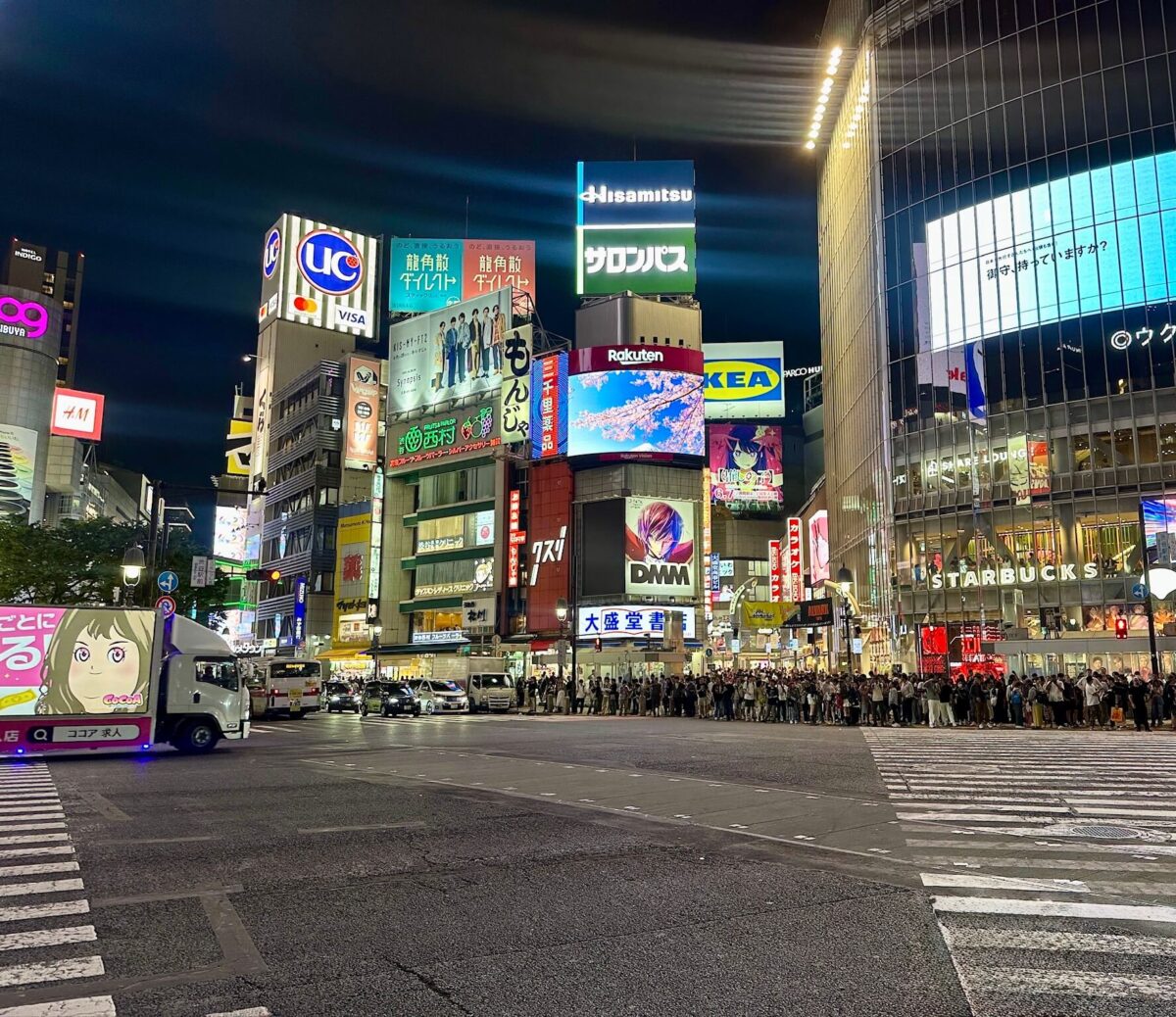
From there, hop on a short train ride to Shibuya. Watch the organized chaos of Shibuya Crossing, Japan’s most famous intersection.
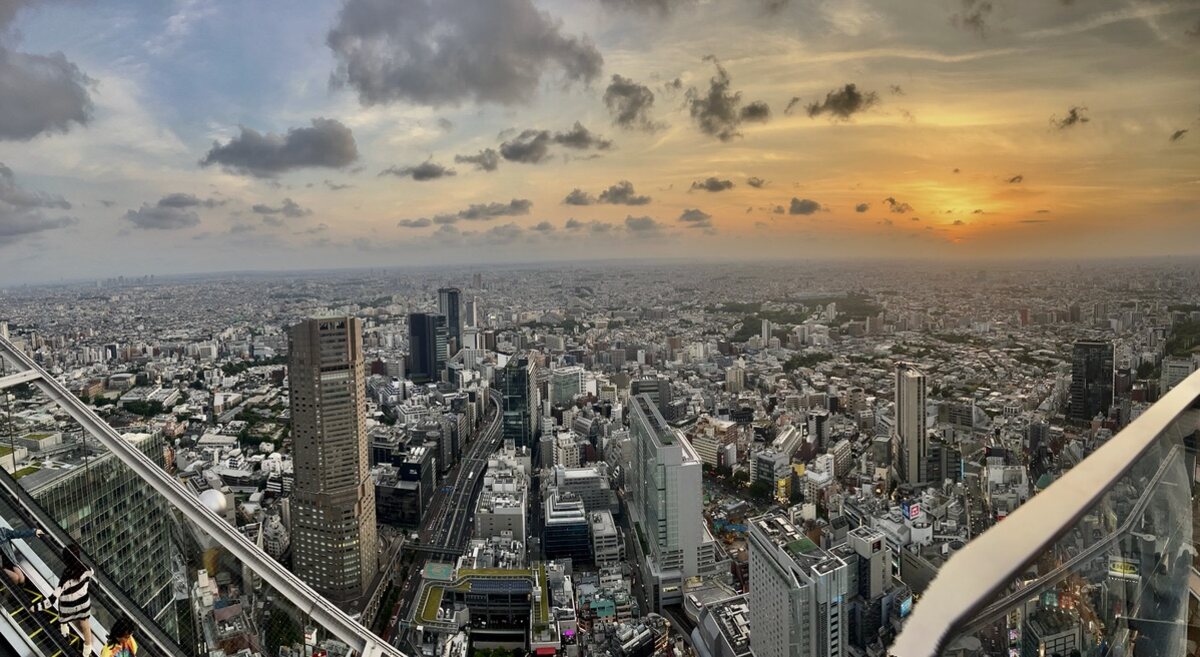
For an elevated view, head to Shibuya Sky, one of the city’s best rooftop observatories. The panoramic views of Tokyo stretch all the way to Mount Fuji on clear days. I recommend trying to get a sunset time, it’s a really cool way to see the city lights!
 Shibuya Crossing
 Shibuya Sky
Dinner
Finish your night with dinner at Ginza Steak Shibuya. It’s a premium all-you-can-eat wagyu experience that’s surprisingly reasonable for the quality. You’ll get table-side cooking and perfectly marbled meat that melts in your mouth!
Day 3: teamLab Planets, Tsukiji, and Akasaka
Morning: teamLab Planets Tokyo
Head to Toyosu for the immersive digital art museum, teamLab Planets. Walk barefoot through water and light installations. Pre-book the earliest time slot! It was one of my favorite things I did in Tokyo!
Midday: Tsukiji Outer Market
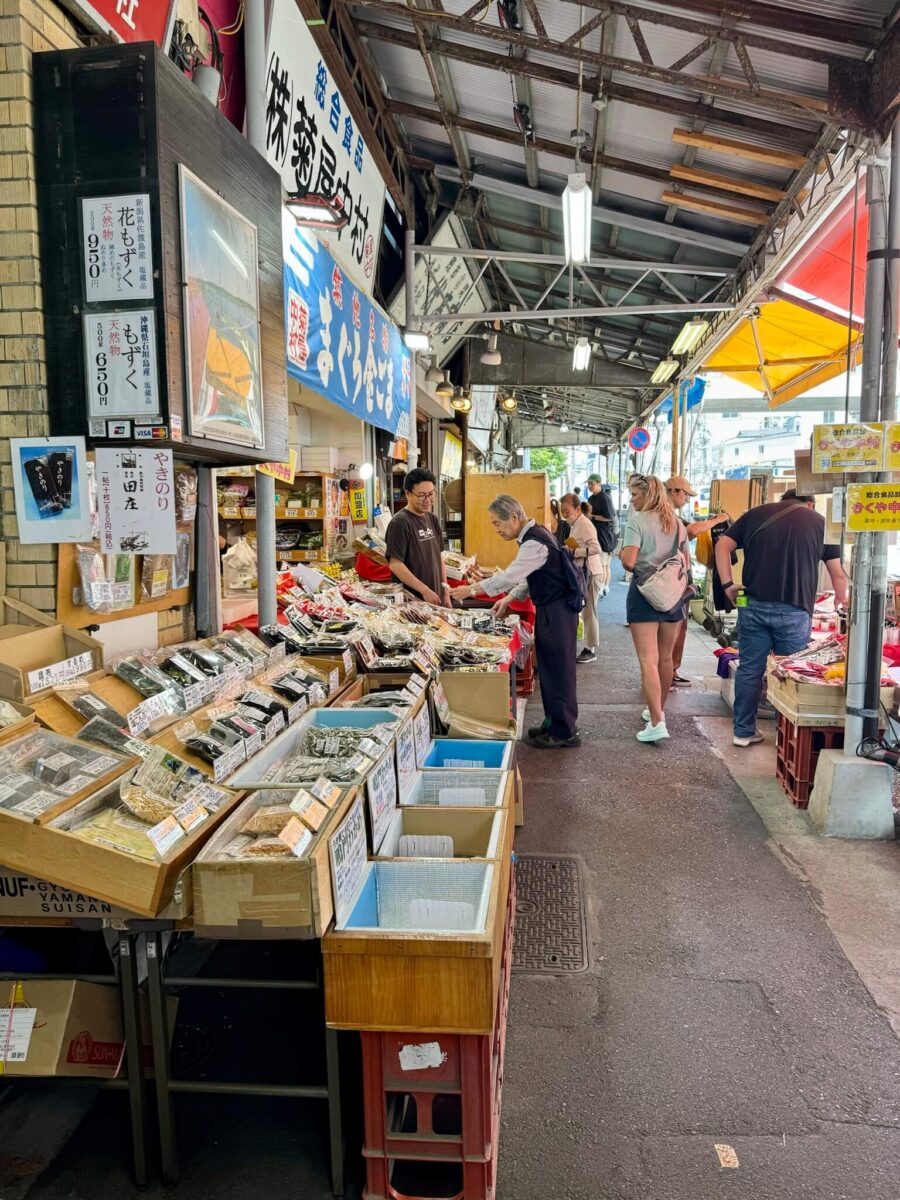
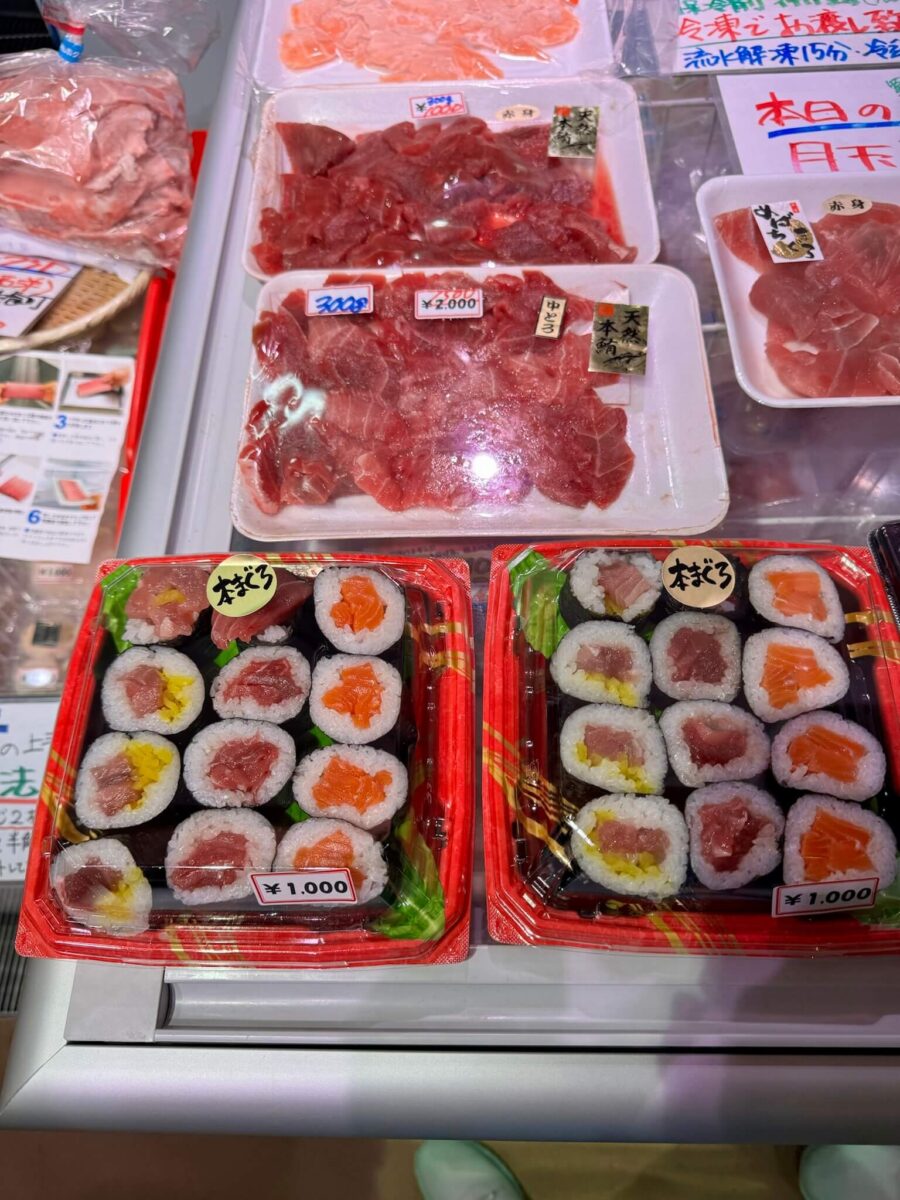
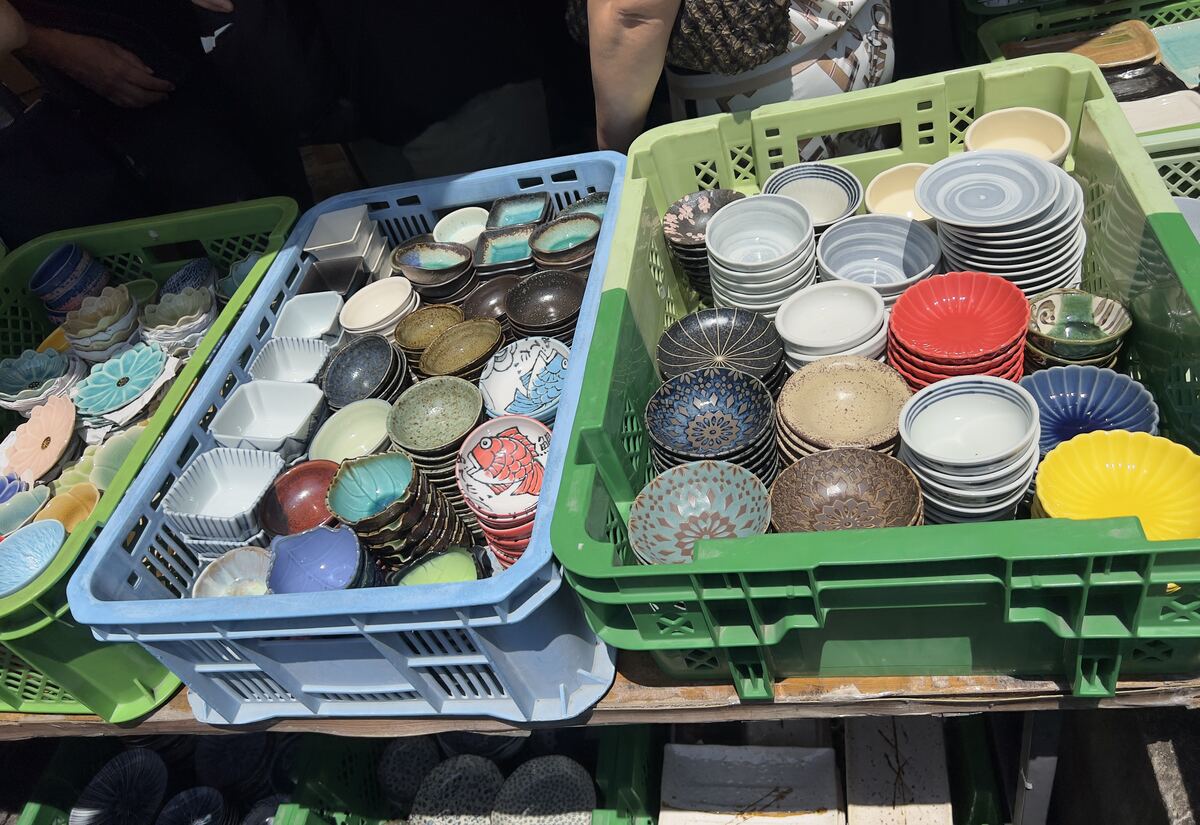
Just under a 2-mile walk from teamLab Planets, you will arrive at Tsukiji, known for the largest fish market in the world. This outer market is packed with incredible street food, fresh seafood, and Japanese wares.
It’s fun to just spend the afternoon walking, eating, and checking out all the vendors! You can also join this food and walking tour to see it all and learn about the market’s history.
 Tsukiji Outer Market
- Tsukiji Sushi
 Japanese Dishes
Afternoon: Ginza Shopping and/or Akasaka
After the market, you can take a short walk over to Ginza, Tokyo’s luxury shopping district. It’s a pretty cool scene to walk around and see all the name-brand stores, and also check out Uniqlo or Sanrio World.
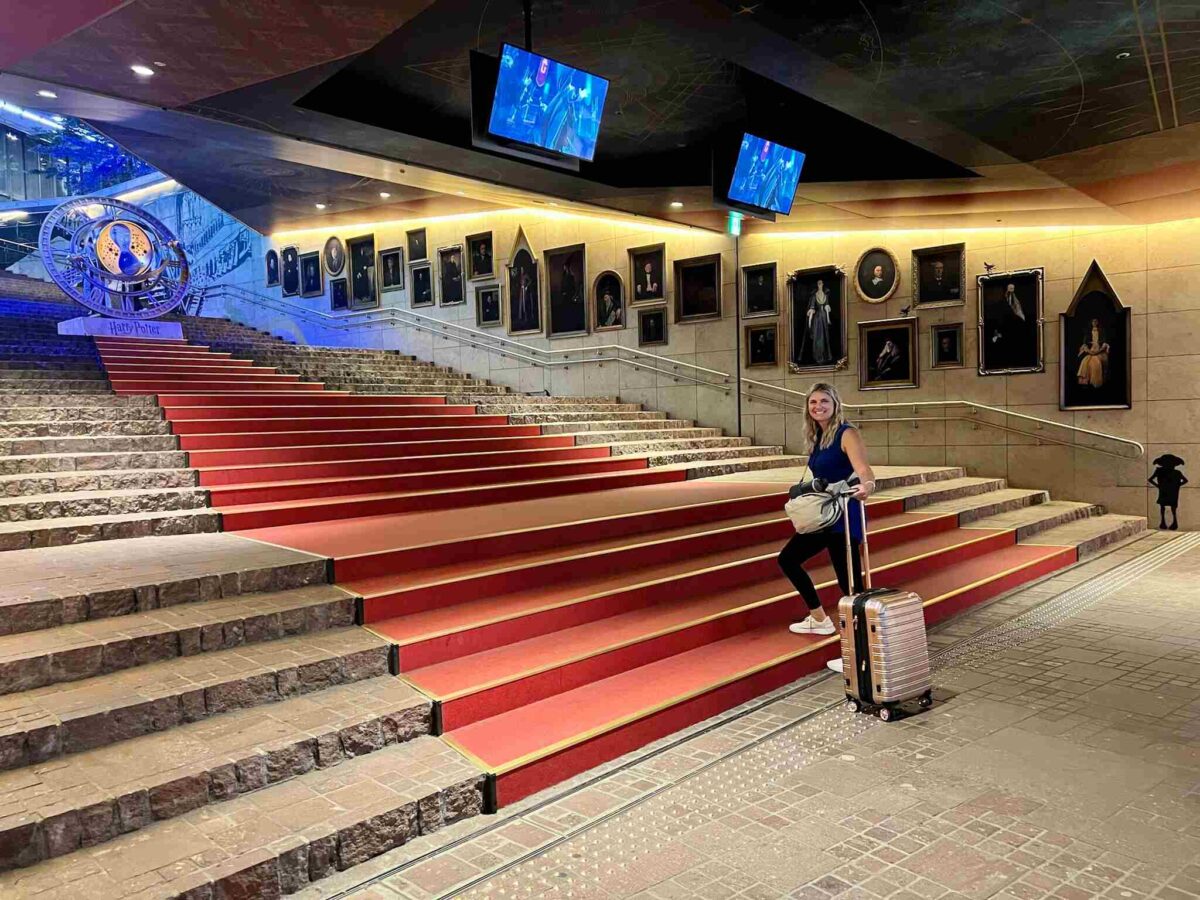
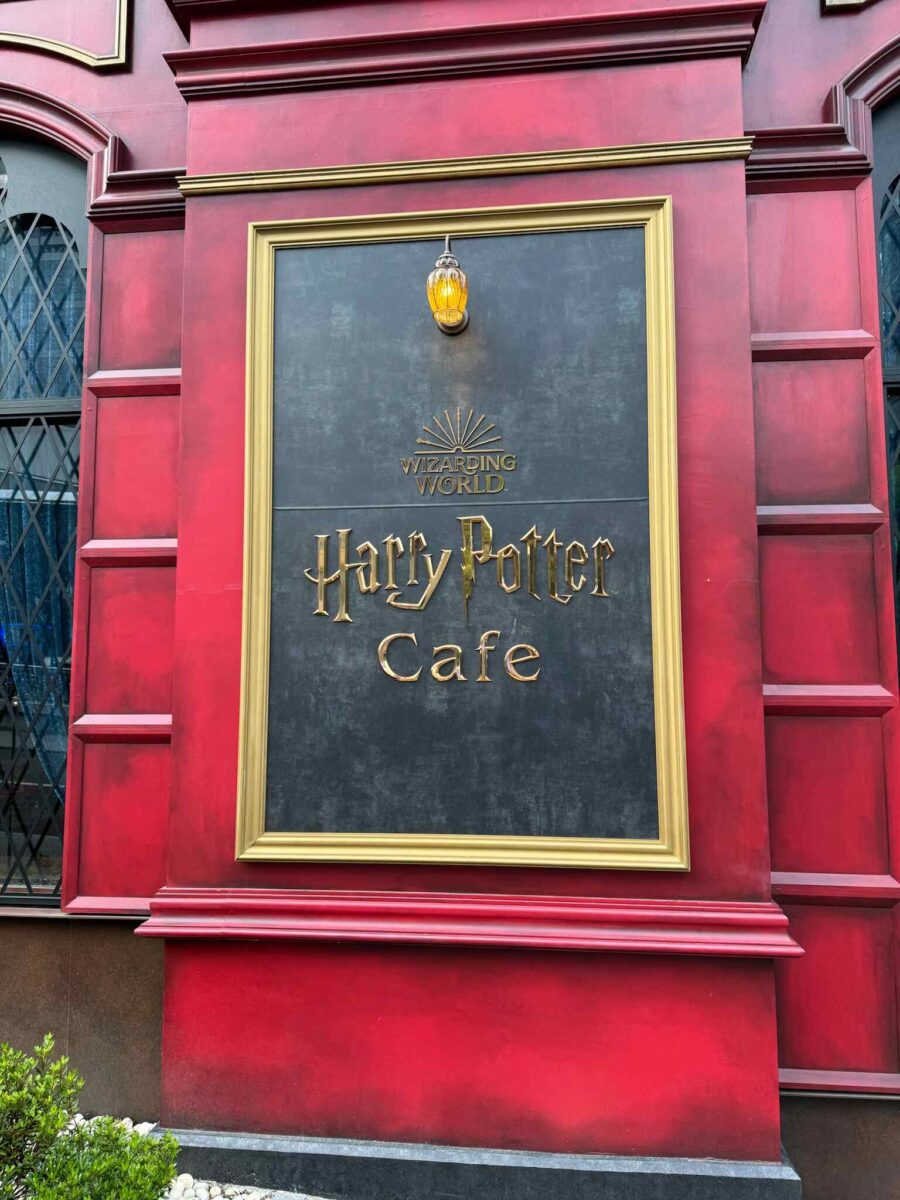
Wrap up your day by taking the train from Ginza to Akasaka-mitsuke Station. This station recently unveiled a Harry Potter-themed train display modeled after Platform 9¾. Once you come out of the train station, you will find the Harry Potter Café. It’s a fun, quick stop for fans and a good photo opportunity!
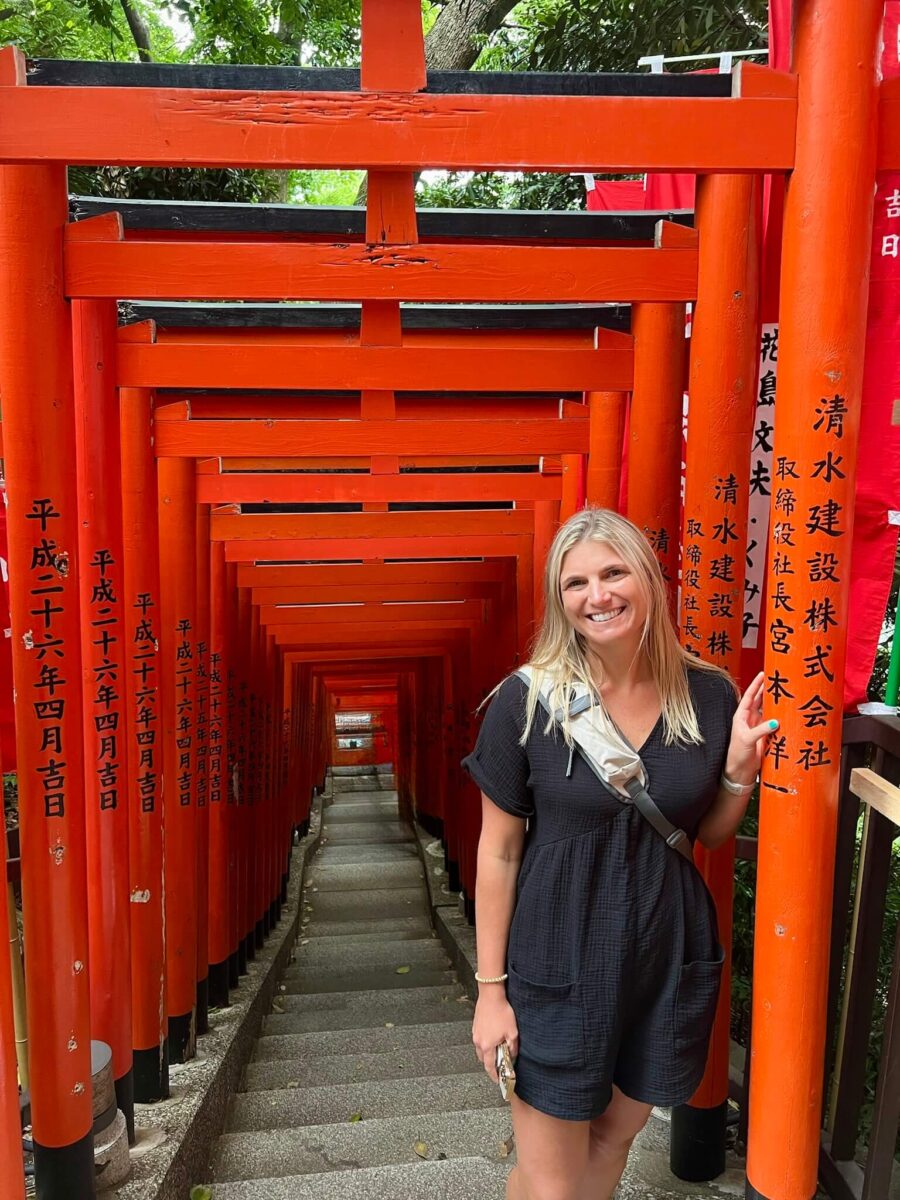
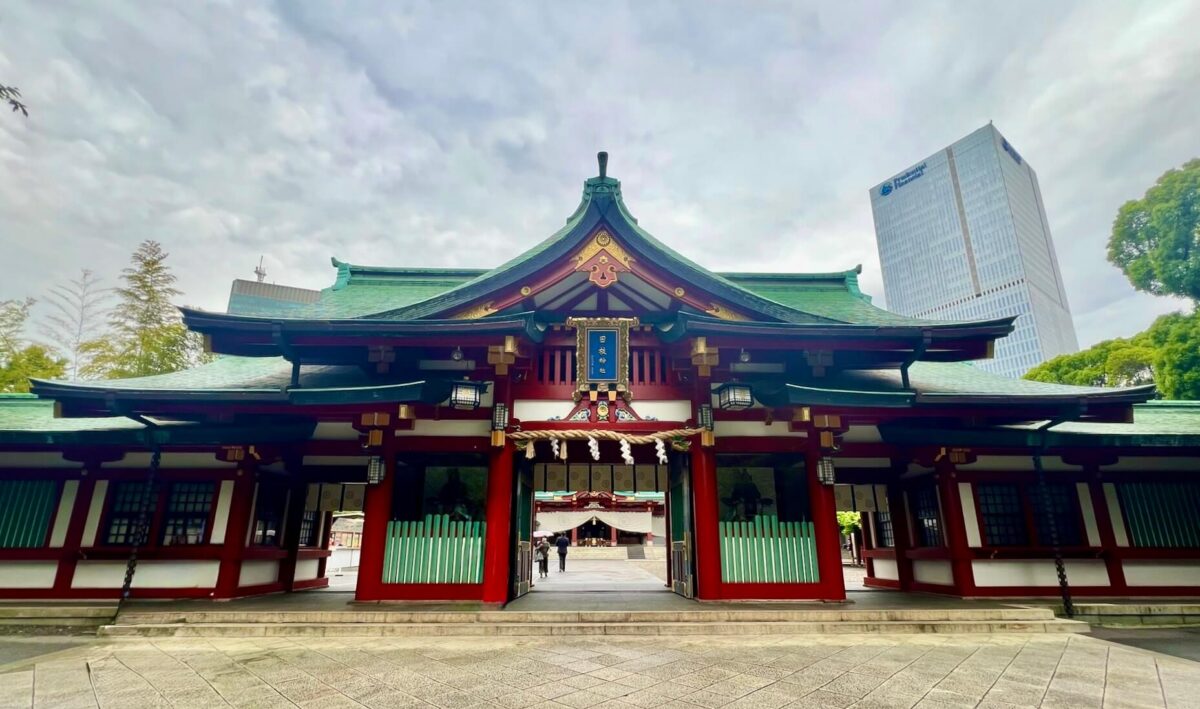
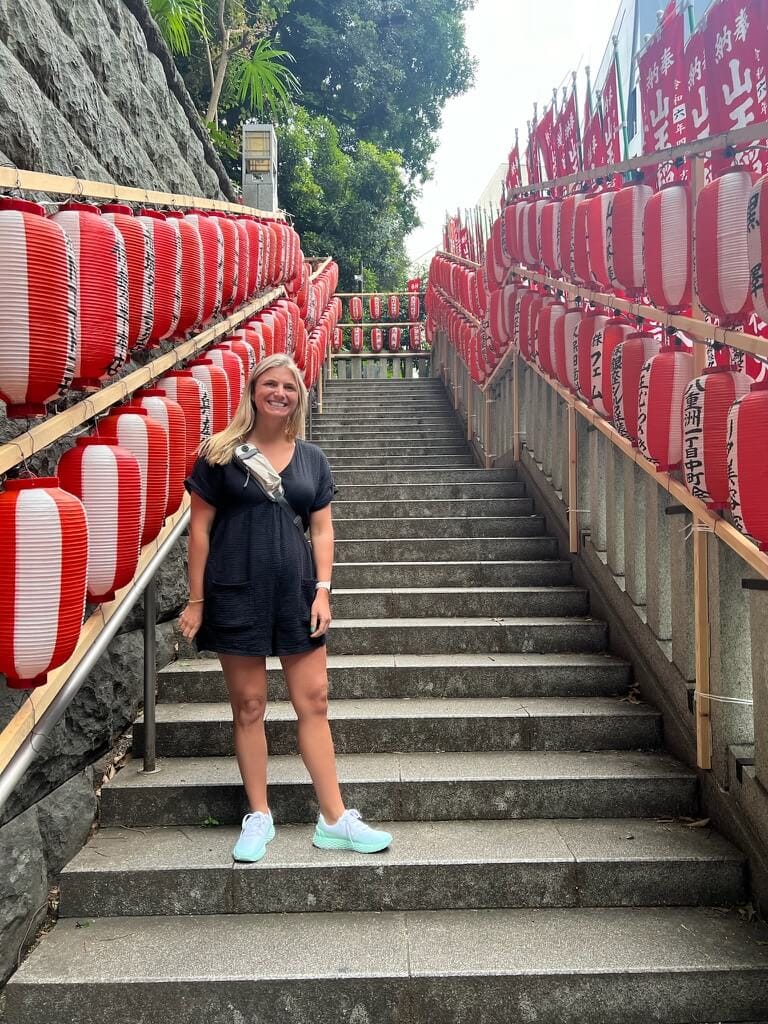
From here, take a short walk to Hie-jinja Shrine. This is a more peaceful shrine known for its bright red torii gates and steep staircases. It’s photogenic and much less crowded than other popular shrines.
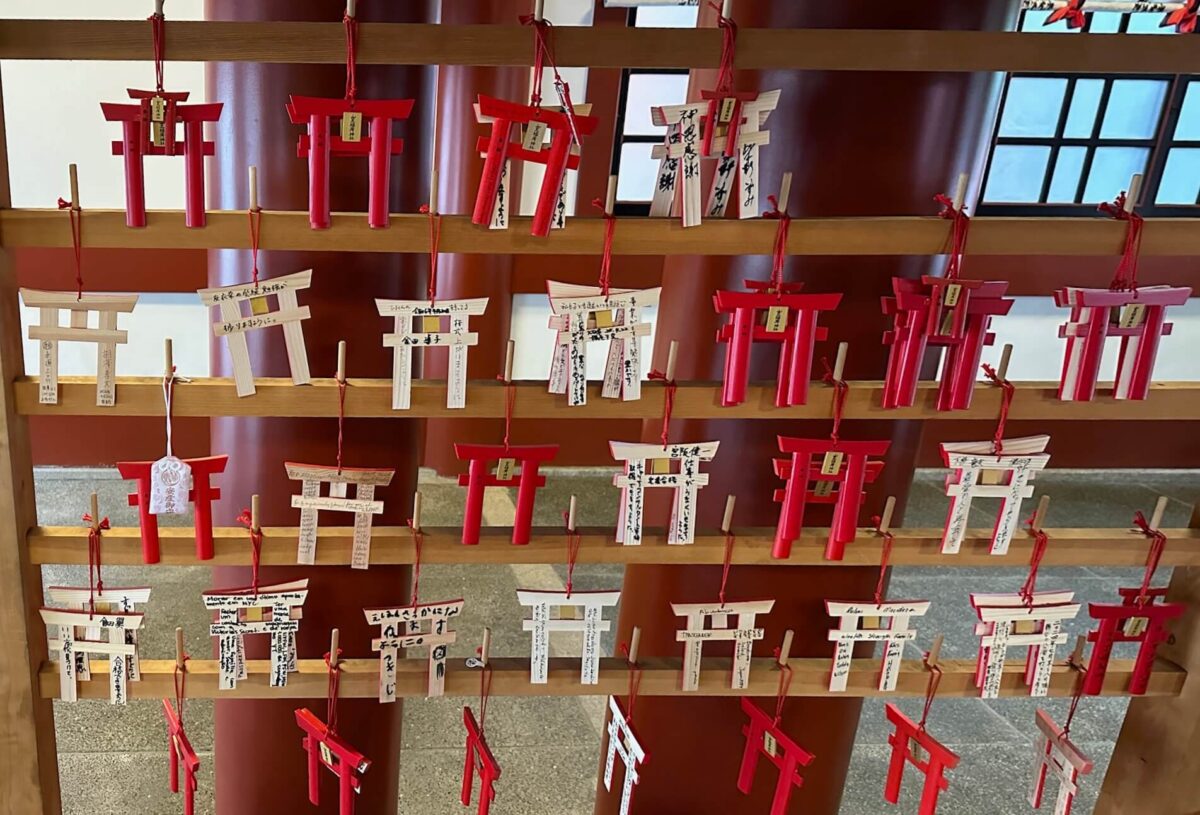
Make sure you check out the display of Emas, handwritten wishes, or thanks to the gods. You can purchase various Ema designs, like the torii gates below, and hang them at the shrine.
- Hie-jinja Shrine Path
 Hai-jinja Shrine
 Ema Display
 Hie-jinja Shrine
Dinner
Depending on where your hotel is, try the top-rated ramen chain, Ichiran at one of their many locations, or check out Izakaya Sanzoku in Akasaka. You will get to try various Japanese foods such as karaage, tempura prawns, and yaki soba.
Day 4: Mt. Fuji and Hakone Day Trip
If there’s one thing I regret not seeing on my trip to Japan, it’s Mt. Fuji. This day trip gives you a chance to see Japan’s most iconic mountain and explore nearby Hakone, famous for hot springs and stunning lake views.
If you prefer not to go see Mt Fuji, there are lots of other half-day and full day trip options from Tokyo. See some other options below.
How to Get to Hakone from Tokyo
There are a couple of different ways to get there. The fastest way is to take the bullet train from Tokyo Station to Odawara Station, which takes about 35 minutes.
Alternatively, I would recommend purchasing the Hakone Freepass online in advance. It covers round-trip transportation from Shinjuku Station in Tokyo and also includes rides on the Hakone Tozan Railway, Hakone Ropeway, sightseeing cruise on Lake Ashi, and local buses.
Even though you are only spending one day in Hakone, the two day pass is still a better deal than purchasing tickets individually. Plus, it’s more convenient to use the pass rather than purchasing tickets for every ride.
Prefer a Guided Tour?
If you want to enjoy Mt. Fuji and Hakone without navigating trains and transfers on your own, book this highly rated full-day guided tour from Tokyo: Mt. Fuji & Hakone Day Tour.
Visiting Mt. Fuji
While you won’t climb Mt. Fuji, you can enjoy stunning views from multiple spots along the Hakone loop. The best views are from the ropeway and Lake Ashi on clear days. Try to go on a sunny day for the best chance to see the mountain.
Lake Ashi Cruise
From Togendai, take the pirate ship cruise across Lake Ashi to get the best view of Mt Fuji! Disembark at Hakone-machi or Moto-Hakone and visit the Hakone Shrine with its iconic red torii gate by the water.
Hakone Ropeway
Ride the cable car up to the geothermal area Owakudani. It takes you over volcanic valleys with steaming vents and panoramic views. Stop for black eggs boiled in hot sulfur springs, a Hakone specialty. They are said to add 7 extra years to your life!
You can visit Yamanakako Shiratorihama to see more great views of Mt Fuji and feed the swans, or stop at Oshino Hakkai where you can drink directly from the springs fed by the melting snow from Mt Fuji.
Return to Tokyo
Retrace your steps back to Odawara Station via bus or rail, then board the train back to Tokyo.
Dinner
After returning to Tokyo, consider a farewell dinner at Sushidokoro Yamada or Sushi Tokyo Ten for a casual omakase.
Frequently Asked Questions (FAQ)
Do I need to speak Japanese to enjoy Tokyo?
No, but learning a few basic phrases helps. Most signs and transit have English translations, and people are friendly and helpful
Is the Suica card worth getting?
I would only get a physical Suica card if you plan on not having your phone or carrying a phone. It is much more convenient to add the Suica card to your phone wallet and add funds to it from there. This is also accepted at many shops and restaurants.
What is the best time of year to visit Tokyo?
Spring (March to May) and Fall (September to November) offer the most comfortable weather and beautiful scenery. March is typically Cherry Blossom season, and you should expect higher prices and lots of crowds.
How much cash should I carry?
While Tokyo is increasingly card-friendly, some places still only accept cash. Carry around ¥10,000 to ¥20,000 for small purchases.
Do I need a JR Pass for Tokyo?
No. The JR Pass is best for long-distance travel. A Suica card is sufficient for local travel within Tokyo.
Is tipping expected in Tokyo?
No. Tipping is not customary and may even be refused.
Are there public restrooms in Tokyo?
Yes. Very nice ones! They are clean, free, and available in most train stations, parks, and shopping centers.
Final Thoughts
Tokyo is a city that blends centuries-old tradition with futuristic innovation. In just four days, you can eat sushi at the biggest fish market, cross the world’s busiest intersection, gaze at Mt. Fuji, and get lost in neon-lit neighborhoods that pulse with energy.
I packed as much as I could into this Tokyo itinerary without making it feel overwhelming. If you need to slow down, skip a temple or wander an extra hour through a park. That’s the beauty of Tokyo, there’s always something just around the corner!
One thing I wish I had done differently on my own trip was taking the time to visit Mt. Fuji and Hakone. Don’t skip it if you can help it! Whether you go on your own with a Hakone Freepass or book a guided day trip, the views will be worth it!
Wherever your Tokyo adventure takes you, I hope this guide helps you feel prepared, excited, and inspired.
Next: Prepare for your trip and read Things to Know Before Traveling to Japan